120 Degrees: Funny Angle Puns That Turn Up the Heat
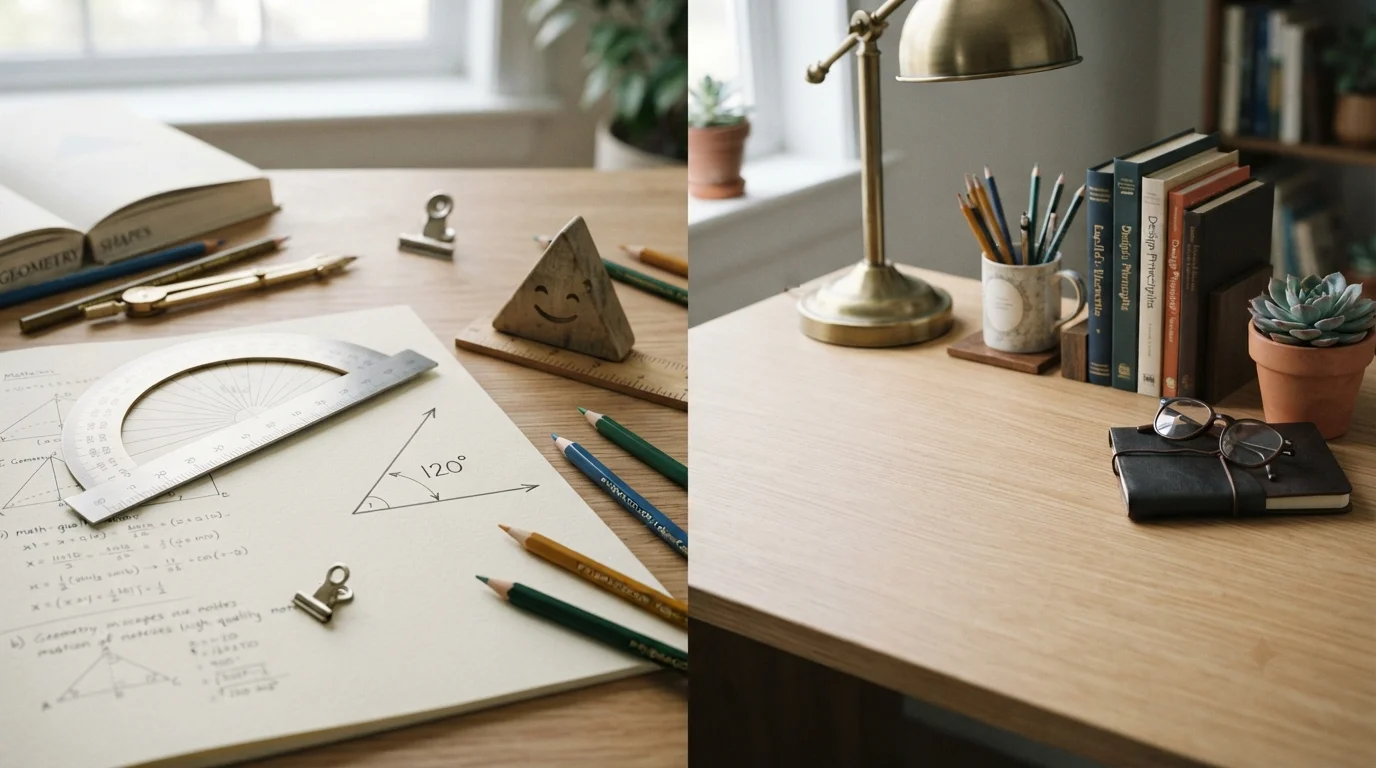
A 120-degree angle may sound like a serious geometry topic, but it has plenty of room for a little comedy. After all, angles are just shapes trying to find the right direction — and some of them have a better sense of humor than others.
If you enjoy 120 degrees puns, you’re probably the kind of person who thinks a good joke can come from almost anything, including a protractor, a triangle, or a number sitting quietly in a math textbook. Geometry might not always get the biggest laughs in the classroom, but the language of angles creates some surprisingly clever wordplay.
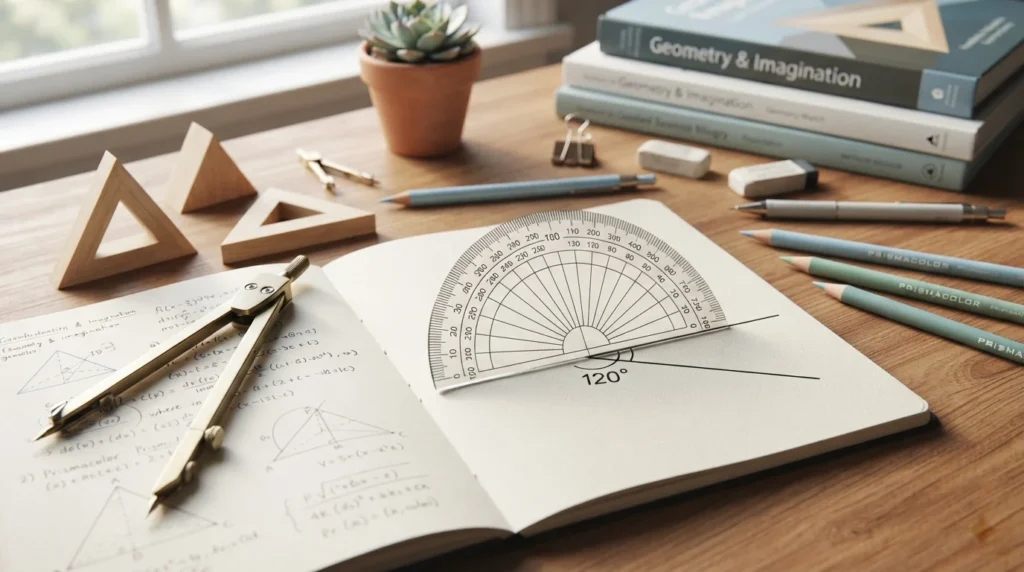
A 120-degree angle is an obtuse angle, meaning it measures more than 90 degrees but less than 180 degrees. In joke form, that gives us plenty of opportunities to play with ideas like being “open-minded,” “taking a different angle,” or refusing to be “straightforward.”
Math humor works because numbers and shapes have personalities when writers give them one. A triangle can have an attitude. A protractor can have opinions. A degree can act like it has somewhere important to turn.
So whether you’re a student looking for a classroom laugh, a teacher searching for clean math jokes, or simply someone who appreciates clever wordplay, these angle jokes are here to prove that geometry doesn’t have to be all formulas and no fun.
And if you enjoy decoding unusual meanings behind words and phrases, you might also like exploring understanding modern slang meanings like POS for another dose of language-based curiosity.
Now, let’s rotate into some jokes that are anything but flat.
What Makes 120 Degrees So Funny?
A 120-degree angle is funny because it sits in an interesting middle ground. It is not a neat 90-degree right angle, and it is not a perfectly straight 180-degree line. It has its own personality — slightly wider, slightly unexpected, and perfect for playful comparisons.
In geometry, angles measure turns. In humor, a good joke often works the same way: it takes your mind in one direction, then suddenly turns somewhere you did not expect. That surprise is what makes puns memorable.
The phrase “120 degrees” also gives comedians and writers plenty of material because the word degree has more than one meaning. It can describe an angle, a level of intensity, or even an academic achievement. That little language overlap is where the fun begins.
A mathematician might see 120 degrees and think about triangles. A comedian might see it and think, “That angle is really opening up.”
That is the magic of wordplay. Ordinary things become funny when we look at them from a different angle — literally.
When Geometry Gets a Sense of Humor
Geometry has always been a goldmine for clever jokes because its vocabulary already sounds like everyday conversation.
Someone can be “acute” when they are smart. Someone can be “obtuse” when they miss a point. A person can have a “straight” answer or look at a problem from a different “angle.”
Those double meanings create natural humor without forcing the joke. The best math puns feel like they were hiding inside the words all along.
For example:
- A triangle walked into a party and said, “I’m here to make things a little less square.”
- My protractor started telling jokes, but they were too measured.
- The angle competition was intense. Everyone wanted to be the right choice.
Even simple geometry terms can create personality. A 120-degree angle becomes the friend who refuses to follow the crowd. It is wider than expected, slightly unconventional, and proudly doing things its own way.
That is why angle humor works so well — it turns cold measurements into something human. A number becomes a character. A shape gets a voice. A math lesson gets a punchline.
The word “degree” has more than one use, which is part of what makes these jokes work. It can describe measurements in geometry as well as levels or amounts in everyday language. Merriam-Webster’s definition of “degree” helps explain these different meanings.
Best 120 Degrees Puns for Math Lovers
Math lovers know that the best jokes are often hidden in plain sight. A number on a worksheet, a shape on a whiteboard, or a tiny symbol in a formula can become surprisingly funny with the right twist.
A 120-degree angle already has a personality. It refuses to be ordinary. It is not standing perfectly straight, and it is not sitting neatly at a right angle. It has a little extra space, a little extra confidence, and maybe a little extra attitude.
That makes it perfect for clever jokes, silly observations, and the kind of humor that makes someone say, “That was terrible… but I laughed.”
Here are some angle-inspired jokes that take a different turn.
Clever Angle Puns
These jokes lean into geometry terms, word meanings, and the strange friendship between math and comedy.
- My 120-degree angle started a podcast because it wanted a wider audience.
- The triangle invited the 120-degree angle over because it needed someone who could bring a different perspective.
- A 120-degree angle walked into a room and said, “I’m not awkward. I’m just more open than everyone else.”
- My protractor and I had an argument. It said I was looking at things from the wrong angle.
- The 120-degree angle never gets ignored. It always knows how to make a turn.
- I asked the angle why it was so confident. It said, “I’ve got plenty of degrees.”
- The geometry teacher loved the 120-degree angle because it always had a broad point of view.
- The triangle broke up with the square because it needed someone with more angles.
- The protractor got promoted because it was great at measuring success.
- A 120-degree angle does not follow trends. It creates its own direction.
Some math jokes work because they are clever. Others work because they are wonderfully predictable. That is the charm of a good pun — you see the punchline coming, but you still smile when it arrives.
Dad-Style 120 Degrees Jokes
Dad jokes and math jokes are natural teammates. Both rely on simple setups, harmless wordplay, and a punchline that makes people groan before they laugh.
A great dad joke does not need a complicated formula. Sometimes the silliness is the entire point.
Here are some clean angle jokes with classic dad humor energy:
Q: Why did the 120-degree angle bring a map?
A: Because it wanted to find a new direction.
Q: Why did the angle go to therapy?
A: It needed help dealing with all its turns.
Q: Why was the protractor calm during the argument?
A: It knew how to keep things measured.
Q: Why did the triangle invite the angle to dinner?
A: Because it wanted a more balanced relationship.
Q: What did the 120-degree angle say after a long day?
A: “I’m tired of turning heads.”
The beauty of dad humor is that it does not try too hard. It simply takes a familiar idea and gives it a tiny twist. In a world full of complicated jokes, sometimes a simple angle pun is exactly the right measurement of funny.
One-Liners That Go Straight to the Point
Sometimes you do not need a full setup. A quick one-liner can deliver the laugh faster than a calculator finding an answer.
Try these:
- I told my angle a secret, but it took it in a different direction.
- My geometry homework asked for an angle. I gave it a little attitude instead.
- 120 degrees walked into the room and immediately made things more open.
- I trust my angle because it always sees things from my side.
- The triangle was jealous because the angle had more range.
- My calculator and protractor are best friends because they always measure up.
- The 120-degree angle never gets nervous. It is comfortable outside the box.
- Some angles are sharp. Some are right. This one is just confidently different.
- My geometry teacher said I had potential, but I told them I was already well-rounded.
- The angle refused to apologize. It said, “I stand by my position.”
Good one-liners work especially well as captions because they are short, easy to share, and just clever enough to make someone pause. They are the comedy version of a quick turn — no warning, no extra steps, just a punchline.
Funny 120 Degrees Jokes for Students and Teachers
Math classrooms are full of serious moments: solving equations, measuring shapes, and trying to remember which formula goes where. But a little humor can make even the trickiest topics easier to remember.
Geometry jokes work especially well because students already spend time with words like angles, degrees, lines, and shapes. Turning those ideas into jokes gives math a little personality — and sometimes helps a confusing concept stick.
A teacher explaining a 120-degree angle might talk about measurements and classifications, but a student might remember it as “the angle that likes to take the scenic route.” That is the secret power of classroom humor: it turns information into something memorable.
Geometry Class Humor
Every student knows the classic math classroom moments: the missing pencil, the mysterious calculator, and the person who somehow forgot there was homework.
Add angles into the mix, and the jokes practically write themselves.
- My geometry book asked me to find the angle. I told it I was already looking at it from a different perspective.
- The 120-degree angle was late to class because it took a longer turn.
- The protractor was the most trusted student because it always knew how to measure up.
- The teacher asked why the angle was bigger than expected. It said, “I like to think outside the square.”
- My homework said, “Find the angle.” I said, “I found it. It was hiding behind the triangle.”
- The triangle was nervous before the test because it had too many problems to solve.
- The geometry student brought a ladder to class because they wanted to reach higher angles.
- The ruler and protractor had a disagreement, but they eventually found common ground.
- The 120-degree angle was never confused. It always had a clear direction.
- My math teacher said I needed to focus. I said, “I am — I’m just looking at the problem from another angle.”
These jokes work because they connect normal classroom experiences with geometry language. A student may forget a formula, but they are more likely to remember that a protractor “measures up.”
Math Teacher Approved Wordplay
Teachers often use humor as a secret classroom tool. A quick joke can break tension before a difficult lesson, make students feel comfortable asking questions, and turn a quiet classroom into an active one.
The best math jokes are not about making fun of math. They celebrate the strange, creative world hidden inside numbers and shapes.
Here are some clean jokes teachers could actually use:
Q: Why did the angle bring a suitcase to math class?
A: Because it was ready for another trip around the corner.
Q: Why did the student become friends with the protractor?
A: Because it always helped them find the right direction.
Q: Why was the 120-degree angle popular at school?
A: Because it had a wider circle of friends.
Q: What did the teacher say when the angle solved the problem?
A: “That was a very well-rounded answer.”
Q: Why did the triangle stay calm during the exam?
A: Because it knew it had all the right angles covered.
Teachers can also use angle humor as a memory trick. When students connect a term with a funny image or phrase, the idea becomes easier to recall later.
A 120-degree angle stops being just a measurement. It becomes the angle that thinks differently, turns creatively, and refuses to be boring.
That might be the most useful thing about math humor: it reminds everyone that learning does not have to be a straight line.
Angle Puns That Are Too Good to Be Obtuse
Angles have always had a funny little personality problem. Some are sharp, some are right, some are straight, and some are just a little more open to possibilities. A 120-degree angle belongs to the obtuse family, but that does not mean it has to be boring.
In geometry, an obtuse angle measures more than 90 degrees and less than 180 degrees. In everyday language, “obtuse” can also describe someone who misses a point. That double meaning is exactly why angle jokes work so well — the same word can live in two different worlds.
A clever pun takes a familiar idea and gives it a tiny twist. Suddenly, a geometry term becomes a personality trait, and a simple measurement becomes a joke waiting to happen.
Acute, Obtuse, and Straight-Up Funny
Every angle has a different attitude.
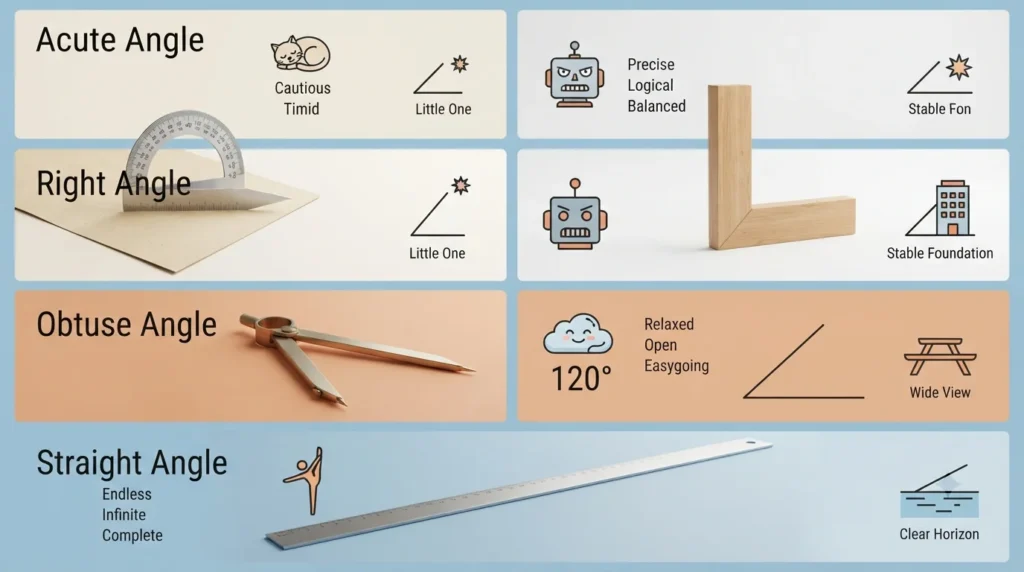
An acute angle is small, quick, and energetic. A right angle likes everything organized and perfectly balanced. A straight angle is serious and refuses to bend. Then there is the obtuse angle — the one that takes its time, thinks differently, and may occasionally need things explained twice.
That variety gives writers endless opportunities for wordplay.
Here are some angle personality jokes:
- The acute angle was always excited because it had a sharp sense of humor.
- The right angle never argued because it always believed it was correct.
- The straight angle was boring at parties because it never knew how to bend the rules.
- The obtuse angle was not confused. It was just processing things from a wider perspective.
- The 120-degree angle joined a debate because it wanted to bring a different viewpoint.
- The triangle told the obtuse angle, “You really know how to stand out.”
- The angle refused to apologize because it believed every side had a story.
- The geometry teacher said the obtuse angle needed more space. It replied, “Finally, someone understands me.”
The funniest part about angle humor is that the jokes are not really about numbers. They are about personality. We recognize ourselves in these shapes.
Everyone knows someone who is a little “acute,” someone who is always “right,” or someone who sees things from a completely different angle.
That is why geometry puns stay popular. They take something technical and make it relatable.
When Angles Start Acting Like People
Giving objects human traits is one of the oldest comedy tricks. A calculator can be nervous. A pencil can have a bad day. A triangle can have relationship problems.
Angles are especially fun because their names already sound like personality descriptions.
A 120-degree angle might be the friend who never chooses the obvious path.
The one who says:
“Why take the shortest route when there are more interesting turns?”
That kind of humor is called observational humor because it takes something ordinary and looks at it from a fresh viewpoint.
Imagine a group project with different angles:
- The 90-degree angle organizes everything.
- The acute angle finishes early.
- The straight angle follows every rule.
- The 120-degree angle says, “I have another approach.”
Suddenly, geometry feels less like a textbook and more like a sitcom.
This style of humor also connects with classic dad humor because it relies on simple ideas, clean language, and unexpected comparisons. It does not need complicated setups. Sometimes the funniest joke is just a familiar word wearing a different hat.
For more language-based humor, you can also enjoy exploring the mystery behind the 11th letter of the alphabet, where a single character creates plenty of room for clever wordplay.
How to Use 120 Degrees Jokes as Captions and Messages
A good joke does not always need a stage, a microphone, or a classroom. Sometimes the perfect place for a clever pun is a text message, social media caption, study group chat, or even a sticky note on someone’s desk.
Angle jokes work well in short formats because they are quick to understand and easy to share. A clever line about a 120-degree angle can make a math post feel more creative, add personality to a classroom announcement, or give a friend a small laugh during a busy day.
The trick is matching the joke style to the moment. A teacher might want something educational. A student might want something funny enough to share with friends. A math fan might want a caption that makes another nerd say, “Okay, that was actually good.”
Funny Caption Ideas for Math Lovers
Social media captions work best when they are short, memorable, and slightly unexpected. A good pun should make people stop scrolling for a second.
Try these:
- Taking life from a different angle.
- Not everyone can handle my 120-degree perspective.
- I’m not out of line. I’m just taking a wider turn.
- Staying positive and keeping my angles open.
- My personality has more than one direction.
- Some people think outside the box. I think outside the square.
- Life is better when you look at it from another angle.
- A little obtuse, but always interesting.
- Finding my way one degree at a time.
- My plans are not straight, but they are measured.
These captions work because they are not just jokes — they are tiny personality statements. They let someone show their love for math without making the post feel like a homework assignment.
Classroom, Card, and Message Ideas
Math humor is also great for personal notes. A small joke can make a regular message feel thoughtful.
A student could write:
“Hope your day is as balanced as a perfect triangle.”
A teacher could leave a note saying:
“You’re doing a great job. Keep looking at problems from every angle.”
A friend studying geometry might appreciate:
“Don’t let one difficult problem turn you around. You’ve got this.”
The best humor has a purpose. It connects people. It makes a lesson easier. It turns an ordinary message into something someone remembers.
Even a simple 120-degree joke can do that because it combines something familiar with something unexpected. That little surprise is what makes wordplay so satisfying.
Why Angle Humor Never Goes Out of Shape
Numbers, shapes, and measurements may seem serious, but they are full of hidden comedy. A degree can be a measurement, a level of achievement, or a way to describe intensity. An angle can be a shape, a viewpoint, or a completely new way of thinking.
That flexibility gives wordplay endless possibilities.
The best jokes are not always the loudest ones. Sometimes they are the small, clever observations that make someone smile because they notice the connection.
A 120-degree angle teaches us something important about humor: the best laughs often come from changing perspective.
After all, a joke is just a thought that takes an unexpected turn.
And sometimes, that turn is exactly 120 degrees.
Conclusion
A 120-degree angle may start as a simple geometry measurement, but it becomes much more interesting when you look at it through the lens of humor. Between clever wordplay, dad jokes, classroom laughs, and creative captions, angles prove that even math can have a personality.
The best 120 degrees puns work because they combine two things people love: learning something new and getting a quick laugh. A good joke changes your perspective, and that is exactly what angles do. They show us that there is rarely just one way to look at something.
Whether you are a student trying to make math class more fun, a teacher looking for a clean joke, or simply someone who enjoys smart humor, angle puns offer a playful way to connect numbers with everyday life.
So the next time you see a protractor, a triangle, or a degree symbol, remember that every measurement has a possible punchline hiding inside it.
Sometimes the funniest ideas are not straight ahead. Sometimes they come from taking a different angle.
FAQs
What is a 120-degree angle called?
A 120-degree angle is called an obtuse angle because it measures more than 90 degrees and less than 180 degrees. It is wider than a right angle but not completely straight.
Why are 120 degrees puns funny?
120 degrees puns are funny because they combine geometry terms with everyday meanings. Words like “angle,” “degree,” “acute,” and “obtuse” can describe both math concepts and human behavior, creating natural opportunities for wordplay.
What are some good geometry jokes for students?
Good geometry jokes for students often use familiar classroom ideas like triangles, protractors, rulers, and angles. Simple jokes work best because they are easy to understand and remember during lessons.
Is a 120-degree angle an obtuse angle?
Yes. Any angle measuring greater than 90 degrees and less than 180 degrees is considered obtuse. A 120-degree angle is a common example of an obtuse angle.
Why do math puns work so well?
Math puns work because mathematics has its own vocabulary filled with words that have multiple meanings. This allows writers to create jokes using double meanings, unexpected connections, and clever comparisons.
Where can I use angle jokes?
Angle jokes can be used in classrooms, social media captions, greeting cards, study groups, presentations, and conversations with friends who enjoy math humor.
What makes a good math joke?
A good math joke is easy to understand, has a surprising twist, and connects a familiar concept with an unexpected idea. The funniest ones usually do not require advanced knowledge — just a little curiosity.
References
- Merriam-Webster — Dictionary definitions of mathematical and language terms
- Cambridge Dictionary — Word meanings and expressions
- Encyclopaedia Britannica — Geometry and mathematical concepts
- Oxford Reference — Language and terminology references