45 Cent Jokes: The Pun That Makes Cents
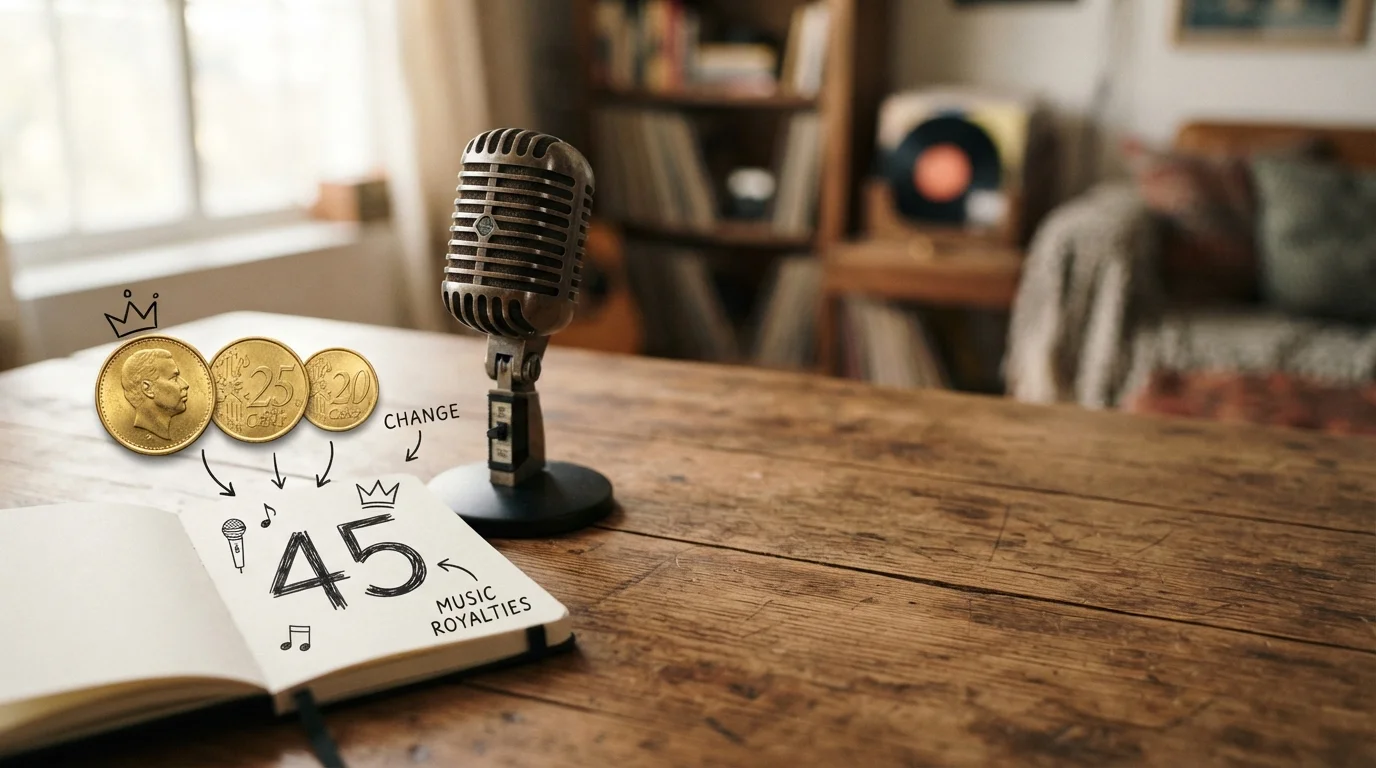
Some jokes are built with complicated setups. Others need nothing more than a name, a number, and a tiny mental switch. The 45 cent joke belongs to the second category — a simple piece of wordplay that turns a famous name into a pocket-sized punchline.
The joke usually goes something like this: 50 Cent and Nickelback walk into a room, and 50 Cent loses a nickel. What does he have left? 45 cents. The math is easy. The humor comes from your brain suddenly realizing that a person’s name can also sound like actual money.
That little “wait… oh!” moment is what makes wordplay so satisfying. A good pun doesn’t just make you laugh; it makes you feel clever for catching it.
Number jokes, money puns, and name-based humor have stayed popular because they use things everyone already understands. You don’t need special knowledge or a long explanation. You just need to recognize the words and enjoy the twist.
If you enjoy jokes where language gets a little sneaky, this is the same kind of playful thinking behind other clever phrases and funny meanings, like the wordplay explained in our guide to POS meaning
So grab your imaginary calculator and your sense of humor. We’re counting down why the 45 cent joke works, how money puns became comedy favorites, and why the simplest jokes are sometimes the ones people remember.
How to Make 45 Cents
Making 45 cents is simple: you need coins that add up to $0.45. The easiest combination is four dimes and one nickel. Since each dime is worth 10 cents and a nickel is worth 5 cents, the total comes to 45 cents.
4 dimes + 1 nickel = 45 cents
There are also other ways to create the same amount. For example:
- 45 pennies = 45 cents
- 9 nickels = 45 cents
- 4 dimes + 1 nickel = 45 cents
- 2 quarters minus 5 cents = 45 cents
The fun part is that money combinations can work like little puzzles. The value stays the same, but the pieces can change. That is also why coin-based wordplay is so popular — a simple amount can become a joke, a riddle, or a clever twist.
In the famous 45 cent joke, the idea is not really about collecting coins. It is about taking the phrase “50 Cent” and treating it like actual currency. Remove a nickel, and the imaginary amount drops from 50 cents to 45 cents.
A tiny coin change creates the entire punchline — which is exactly why simple wordplay can be so effective.
Why Number Puns Are Surprisingly Funny
Number puns work because they take something ordinary — a number, a measurement, or a familiar phrase — and give it a completely unexpected job. A number is usually just information, but in humor, it can become a character, a clue, or even the punchline itself.
This kind of humor relies on the brain recognizing more than one meaning at the same time. Puns often use similar sounds, multiple meanings, or unexpected connections between words to create a joke. Learn more about how puns create humor through word meanings and sound patterns.
The 45 cent joke is funny because it asks your brain to switch between two ideas. First, you hear “50 Cent” as a famous name. Then you suddenly have to think about actual money: 50 cents minus a nickel equals 45 cents. That quick mental jump is where the laugh happens.
Numbers are perfect comedy tools because everyone understands them. You do not need a long explanation or background story. The joke works because the audience already knows the basic rules.
A good number pun often follows a simple formula:
Familiar number + unexpected meaning = surprise
For example, a person may hear “one in a million” as a compliment, but a comedian might twist it into a joke about being the one person who actually enjoys doing taxes on weekends. The number stays the same, but the meaning changes.
When Math Meets Wordplay
The best number jokes are rarely about math itself. They are about using numbers as shortcuts to another idea.
Number-based jokes often work because they make readers pause and rethink familiar phrases. Similar wordplay appears in other playful expressions, including our breakdown of 20 lashes, where a simple phrase gets a surprising meaning twist.
Money is especially popular because coins and bills already have names that sound like everyday words. A penny, a cent, a bill, or a quarter can all become part of a joke because they have meanings beyond their value.
This is why jokes involving nickels, cents, and dollars appear so often in dad humor. They are simple enough for kids to understand but still clever enough for adults to appreciate.
A few original examples:
- My wallet and I have a lot in common. We both lose interest when there’s no cents involved.
- I tried saving money by hiding my cash. Unfortunately, my hiding spot was too outstanding — even I couldn’t find it.
- I asked my coins if they wanted to go out. They said they were a little short.
The magic of number humor is that it makes the familiar feel new. A number you see every day suddenly becomes a tiny comedy puzzle.
That is why jokes like 45 cents stick around. They are quick, clean, and they reward the person who catches the hidden meaning. The best puns do not force a laugh — they invite your brain to finish the joke.
More Money Puns That Make Cents
Money jokes have a special place in the world of wordplay because currency already comes with built-in comedy opportunities. Coins have names, bills have meanings, and everyday phrases about money are full of expressions waiting for a clever twist.
The funniest money puns usually take a normal phrase and give it a financial makeover. A person can be “short,” a plan can be “worthless,” or an idea can “make cents” instead of making sense. The joke works because the words already exist — they just need a little creative rearranging.
The 45 cent joke is a perfect example of this style. It takes a familiar name and turns it into a tiny money problem. Other currency jokes use the same trick by playing with coins, prices, and phrases people hear all the time.
Here are a few fresh examples:
- I wanted to start a coin collection, but I couldn’t make cents of where to begin.
- My bank account told me a joke. I laughed because it was the only thing with a positive balance.
- I asked my dollar bill how it was feeling. It said, “I’m just trying to stay current.”
- The penny felt ignored, but it knew every little bit counts.
- My budget and I had a disagreement. It wanted me to stop spending, but I told it to mind its own cents.
Penny, Nickel, and Dollar Wordplay
Coins are comedy gold because their names are already playful. A “cent” sounds like “sense,” a “quarter” can mean a fraction or a place to live, and a “bill” can mean money or a document waiting to be paid.
That double meaning gives writers endless ways to create jokes. A simple word can open two doors at once, and the punchline walks through the unexpected one.
For example:
- I asked my quarter where it was going. It said, “I’m just trying to find my other three quarters.”
- The nickel applied for a job because it wanted to make more cents.
- My credit card and I are in a serious relationship. It keeps saying we need space, but it never stops following me.
This style of humor is popular because it feels familiar. Everyone has handled money, checked a price tag, or searched for spare change. The joke starts in everyday life and then takes a small, silly detour.
That is why money puns work so well in family humor and dad jokes. They are clean, easy to understand, and just corny enough to make people smile — even when they pretend to groan.
A great pun does not need a million-dollar idea. Sometimes, all it needs is 45 cents and a little imagination.
Celebrity Name Puns That Should Not Work (But Do)
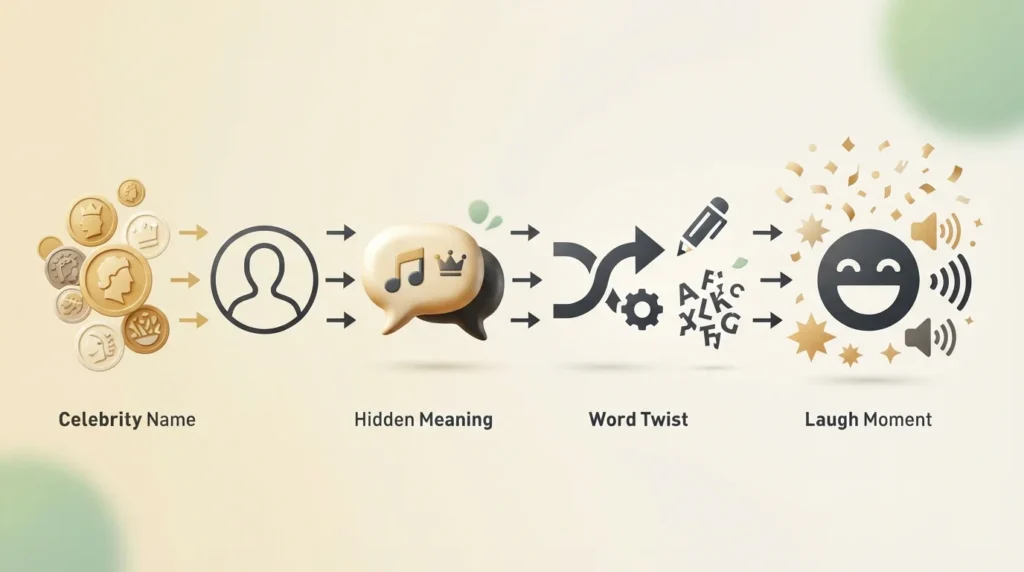
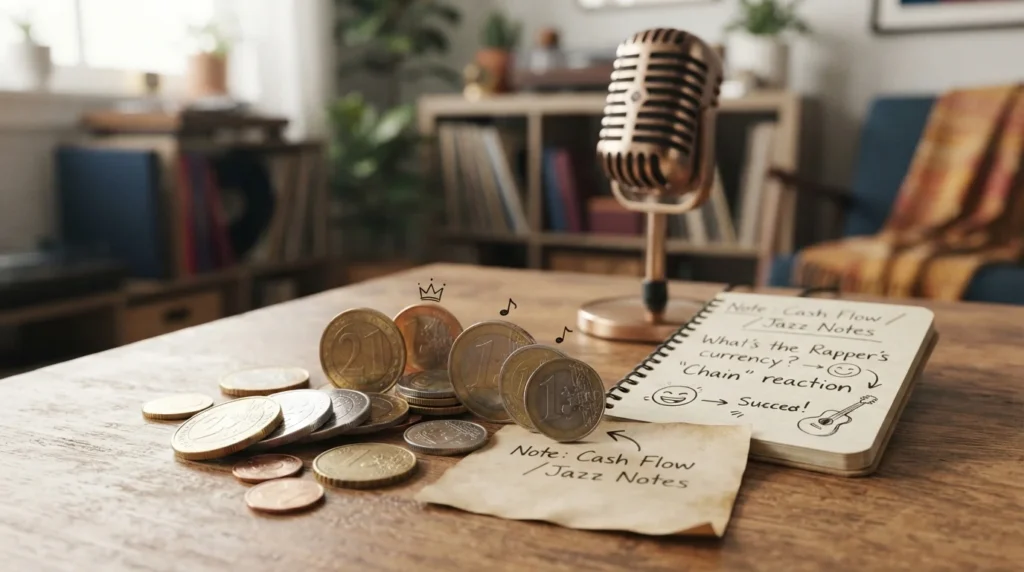
Celebrity name puns are a special kind of wordplay magic. They take something familiar — a singer, actor, athlete, or public figure — and look at the name from a completely different angle. Suddenly, a name is no longer just a name. It becomes a phrase, a joke setup, or a tiny comedy puzzle.
The 45 cent joke works because it uses this exact trick. “50 Cent” is already a recognizable name, but the joke asks your brain to forget the celebrity for a moment and think about actual money. Add Nickelback into the mix, and the name becomes part of a pretend coin transaction.
That is why celebrity puns often feel clever. The audience already brings half of the joke with them. The comedian only needs to add the twist.
When Names Become Punchlines
Names are powerful comedy tools because they carry sound, meaning, and memories. A good name pun does not change the name — it simply reveals a funny way to hear it.
Think of it like finding a hidden message inside an ordinary word. The first meaning is obvious, but the second meaning is waiting underneath.
A few playful examples:
- The bakery hired Adele because she was great at rolling in the dough.
- I asked Bruno Mars if he liked space travel. He said he was already a fan of going to Mars.
- The gardener invited Justin Timberlake because the plants needed someone to bring back the “green.”
- The photographer loved taking pictures of Taylor Swift because she always developed quickly.
These jokes are not meant to be taken seriously. Their fun comes from the ridiculous connection between a famous name and an everyday idea.
Celebrity puns also work well because they are highly shareable. People recognize the name instantly, understand the reference, and enjoy the little surprise.
The best ones are not just random name changes. They create a bridge between two unrelated worlds — like music and money in the 45 cent joke. That unexpected connection is what makes the joke memorable.
From singers to movie stars, famous names will always be a playground for word lovers. After all, every name has the potential to become a punchline — it just needs the right setup.
Short 45 Cent Style One-Liners
Sometimes the best jokes are the ones that barely take a breath. A quick setup, a tiny twist, and a punchline that lands before anyone has time to prepare. That is the charm of 45 cent-style humor — simple wordplay that turns ordinary ideas into something unexpectedly funny.
These jokes do not need a long story. They work because they create a small surprise in your brain. You recognize the phrase, expect one meaning, and then the joke quietly changes direction.
Here are some original one-liners inspired by the same playful style:
- I told my wallet we needed to talk. It said, “I already know. Things are getting a little empty between us.”
- My coins started a band, but they couldn’t find a good drummer. They were always a little off-beat.
- I tried to make a joke about spare change, but it was a little too much for my cents of humor.
- The dollar went to therapy because it felt like everyone was always asking for something.
- My calculator broke up with me. It said our relationship just didn’t add up.
- I wanted to buy a watch, but I couldn’t find the time.
- The nickel was feeling confident because it knew it had value, even if it wasn’t the biggest coin in the room.
- My bank account and I have a strong relationship. We both avoid looking at each other.
- The penny joined a motivational group because it wanted to prove that small things can still make a difference.
- I asked my credit card for advice. It said, “Just swipe your worries away.”
Why Short Puns Are So Shareable
Short jokes survive because they fit into everyday conversations. You can send them in a text, add them to a caption, or tell them at dinner without needing everyone to sit through a five-minute story.
This is also why dad jokes remain popular. They are predictable, clean, and sometimes so simple that the listener laughs at the joke and the fact that someone actually told it.
The best short wordplay jokes have three ingredients:
- A familiar idea — money, names, food, or everyday situations
- A hidden second meaning — a word that can be understood two ways
- A quick reveal — the moment when the listener catches the trick
That formula keeps jokes like the 45 cent pun alive. They are not complicated, but they give your brain a tiny challenge — and there is something satisfying about solving a joke while laughing at it.
A great one-liner is like pocket change: small, easy to carry, and surprisingly useful when you need a little extra humor.
Conclusion
The 45 cent joke proves that a tiny idea can create a surprisingly big laugh. It does not rely on a complicated story, a shocking twist, or a long setup. It simply takes a familiar name, adds a little wordplay, and lets your brain discover the joke.
That is what makes puns so enjoyable. They turn everyday words into something new. A celebrity name becomes a math problem. A coin becomes a character. A simple phrase becomes a comedy puzzle.
Money jokes, number puns, and name-based humor continue to work because they feel easy to understand but still reward clever thinking. The best jokes often hide in plain sight, waiting for someone to look at ordinary things from a slightly different angle.
So the next time you hear a phrase like “50 Cent,” “make sense,” or any everyday expression with a double meaning, pay attention. There might be a joke hiding inside it.
After all, great humor does not always need a fortune. Sometimes, 45 cents is enough to make perfect sense.
Frequently Asked Questions
What is the 45 cent joke?
The 45 cent joke is a wordplay joke involving the music artist 50 Cent and the band Nickelback. The joke imagines that 50 Cent loses a nickel, which is worth 5 cents, leaving him with 45 cents. The humor comes from turning names into a simple money calculation.
Why is the 45 cent joke funny?
The joke works because it creates a quick meaning switch. Most people recognize “50 Cent” as a celebrity name, but the punchline makes you think about actual currency instead. That sudden change from a person’s name to a money amount creates the surprise.
Is the 45 cent joke a dad joke?
Yes, the 45 cent joke fits the style of a dad joke. It uses clean humor, simple wordplay, and a predictable twist. Dad jokes often rely on puns that are easy to understand and sometimes earn a playful eye roll before a laugh.
What type of humor is the 45 cent joke?
The 45 cent joke is a combination of a pun, name-based wordplay, and double meaning humor. It uses the different interpretations of words and phrases to create a funny connection between music and money.
Why are number puns popular?
Number puns are popular because numbers are universal. Everyone understands basic counting, prices, and measurements, which makes the joke easy to follow. When a familiar number gets a surprising meaning, it creates a quick and memorable punchline.
What are some other examples of money wordplay?
Money wordplay often uses phrases like “make cents” instead of “make sense,” or jokes involving coins, dollars, and bills. These jokes work because money terms already have multiple meanings that can be turned into clever twists.
References
- Cambridge Dictionary
- Merriam-Webster
- Encyclopaedia Britannica
- Oxford Reference