Fat Girl Jokes: Funny, Playful & Clever Laughs
Funny jokes have always found their way into everyday conversations, from family dinners to friendly group chats. Fat girl jokes are one style of humor that often uses exaggeration, silly comparisons, and unexpected punchlines to create laughs. Like classic roast comedy, the funniest versions are less about the person and more about the ridiculous situation created by the joke.
Great humor works because it surprises us. A normal sentence takes a strange turn, an ordinary object becomes part of a silly comparison, or a simple idea gets stretched into something completely absurd. That’s why puns, one-liners, and playful teasing have stayed popular for generations.
If you enjoy lighthearted comedy, you’ll find that the best jokes in this category borrow ideas from many styles — from old-school dad humor to modern internet jokes. The secret is balance: a clever punchline, a little imagination, and a joke that feels like something friends would actually share.
For more laughs across different styles of comedy, check out our complete collection of fat jokes, where you’ll find everything from classic setups to creative new twists.
Now, grab your sense of humor and enjoy some playful jokes that prove a good punchline can always make a conversation bigger and better.
Funny Fat Girl Jokes That Keep Things Playful
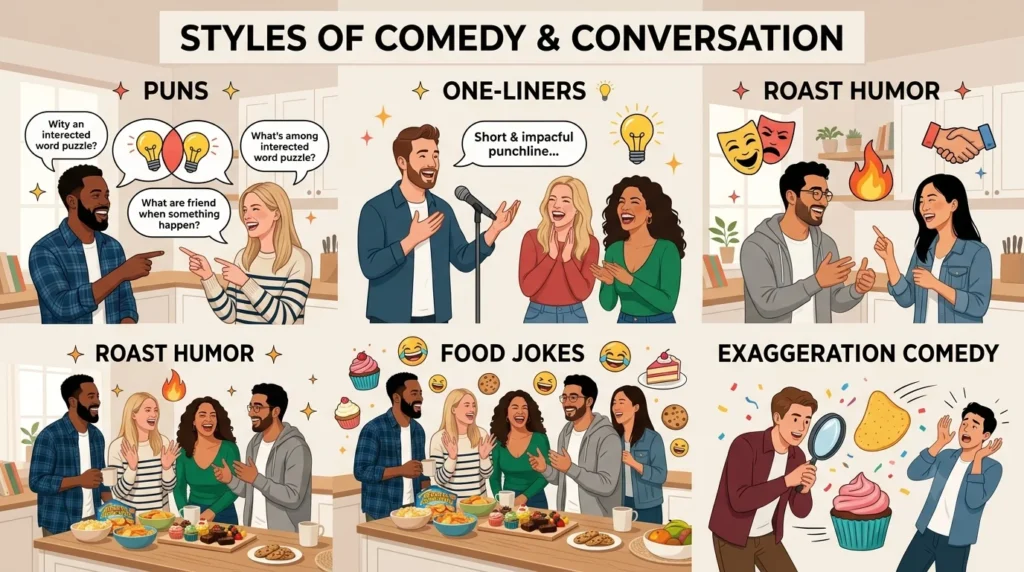
Fat girl jokes work best when they lean into classic comedy techniques like exaggeration, wordplay, and unexpected endings. The funniest examples don’t simply repeat the same old format — they create a silly little world where everyday situations become completely ridiculous.
Comedy has always loved exaggeration. A tiny problem becomes a huge disaster, a normal snack becomes a legendary meal, or a simple comment turns into a dramatic story. That over-the-top style is what makes these jokes memorable.
Here are some playful examples that focus on silly situations and clever twists:
- I told my friend her shopping cart needed a gym membership. She said, “It’s not heavy — it’s just carrying emotional baggage.”
- My diet plan is going great. I lost three days arguing with myself about starting it.
- She doesn’t need a GPS. Her snack drawer already knows exactly where she’s going.
- My friend said she was cutting back on snacks. She meant she was cutting the snacks into smaller pieces.
- Her fridge doesn’t have a light inside. It has a spotlight because every snack deserves a grand entrance.
- I asked why she brought a ladder to the buffet. She said, “I heard the desserts were on another level.”
- Her alarm clock doesn’t wake her up. It just politely reminds her that breakfast exists.
The charm of these jokes comes from the ridiculous image they create. A fridge with a spotlight or a snack drawer with a personality is funny because our brains instantly picture something impossible.
That’s the magic behind good comedy: taking a normal moment and adding a little nonsense.
Clever One-Liners With a Big Laugh
One-liners are comedy’s fastest runners. They don’t need a long setup or complicated story. A single sentence can create the entire joke if the ending catches the reader off guard.
These quick jokes are perfect for texts, captions, and sharing with friends:
- I don’t count calories. I just give them attendance points.
- My favorite exercise is running late.
- My relationship with food is very serious. We’re committed.
- I tried portion control, but my plate filed a complaint.
- My snack has a snack because even snacks need support.
- I don’t have a sweet tooth. I have a sweet neighborhood.
- My kitchen and I have an understanding: I visit, and it provides.
Short jokes like these work because they use observational humor. Everyone understands the small everyday moments — grabbing snacks, making plans, avoiding exercise — and the joke simply exaggerates them into something more dramatic.
Good one-liners don’t need to shout for attention. Sometimes the smallest punchline creates the biggest laugh.
Food and Snack-Themed Fat Girl Humor
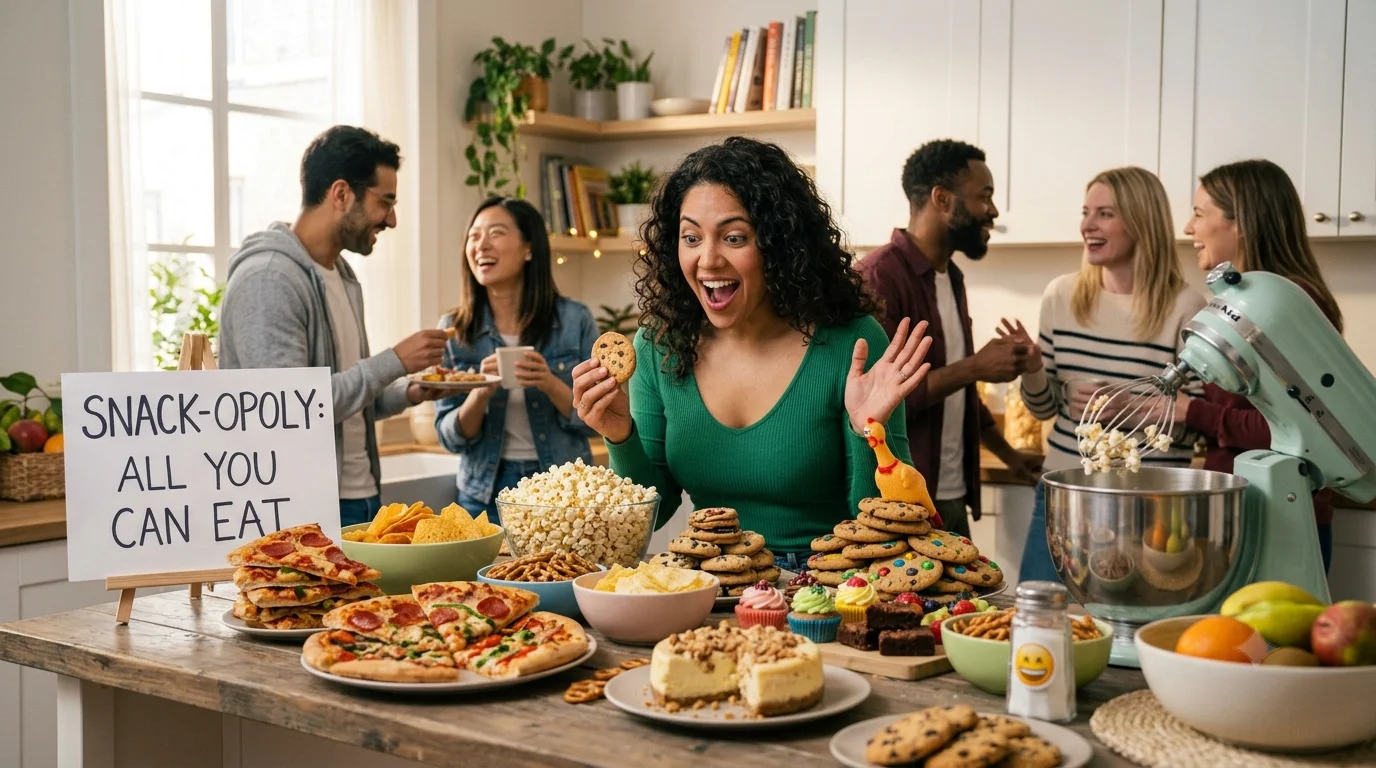
Food jokes have always been a favorite part of comedy because everyone understands the relationship people have with their favorite snacks. A cookie after dinner, an extra slice of pizza, or a late-night fridge visit are everyday moments that can easily become funny with the right twist.
The best food-related humor doesn’t make the food the enemy. Instead, it turns snacks into characters, creates impossible situations, and exaggerates normal cravings into something completely ridiculous.
Here are some playful food-inspired jokes:
- My friend said she was only going to eat one cookie. The cookie heard that and invited its entire family.
- Her pizza delivery driver doesn’t ask for her address anymore. He just follows the smell.
- I told her the cake was calling her name. She said, “That’s not a problem. We’re old friends.”
- Her freezer isn’t full of ice cream. It’s full of future happiness.
- She tried to hide the cookies from herself. Unfortunately, she knew all her hiding spots.
- The chocolate bar didn’t tempt her. It sent a formal invitation.
- Her favorite food group is whatever group has dessert.
- She doesn’t have a snack drawer. She has a snack department.
Food humor works because it takes something familiar and gives it an unexpected personality. A cookie becomes a family member. A cake becomes a best friend. A snack becomes a life coach. The exaggeration creates the laugh.
This type of comedy is also a classic example of dad humor — simple, silly, and built around a funny image rather than a complicated punchline.
Fat Girl Puns That Are Extra Cheesy
Puns are the playground of comedy. They take ordinary words and give them a surprising second meaning. A good pun makes people groan, laugh, and sometimes say, “That was terrible… but I liked it.”
That’s why pun-based humor has survived everywhere from classic jokes to modern social media captions. The joke is not always in the situation itself — it’s in the clever way words are connected.
Here are some playful examples using wordplay:
- I wanted to tell a weight joke, but I didn’t want to carry the conversation.
- She said she was watching her weight. I asked if it was a documentary or a reality show.
- Her confidence is on another level. It probably has its own elevator.
- She joined a gym for the free Wi-Fi. At least she’s connecting with fitness.
- I asked if she believed in portion control. She said, “Of course. I control the portions.”
- Her cookbook has one important rule: never judge a meal before dessert.
- She said her diet was balanced. Half was pizza, and the other half was also pizza.
- The scale and I are taking a break. We both need some space.
These jokes use double meanings, where a word or phrase can be understood in more than one way. For example, “watching my weight” usually means trying to manage weight, but turning it into watching a TV show creates the surprise.
That small shift is what makes wordplay funny.
Weighty Wordplay and Silly Twists
The funniest puns often come from everyday phrases that everyone already knows. Comedy writers love taking familiar expressions and giving them a ridiculous makeover.
A phrase like “cutting back,” “watching what I eat,” or “working on myself” can become funny when taken in a completely unexpected direction.
Examples:
- She said she was cutting back on carbs. I asked if she was using scissors.
- Her self-control is amazing. She controls herself all the way to the dessert menu.
- She’s very organized. Her snacks are arranged alphabetically.
- The treadmill and she have a strong relationship. They meet often but never go anywhere.
- She loves healthy choices. Especially choosing which dessert looks healthiest.
Wordplay jokes are memorable because they reward the reader for noticing the twist. They are not just quick laughs — they make people pause for half a second before the punchline lands.

Funny Fat Girl Jokes for Friends and Family
The best jokes are the ones that bring people together. Friendly humor has always been part of family gatherings, friendships, and everyday conversations. A playful joke shared between people who know each other can create a moment of laughter without needing a complicated setup.
The secret behind good roast-style comedy is understanding the difference between teasing and being hurtful. Great comedians use exaggeration, timing, and creativity to make a situation funny. The joke becomes about the funny idea, not about making someone feel small.
Here are some lighthearted jokes built around silly situations:
- My friend said she was starting a healthy lifestyle. I asked if that included carrying vegetables from the fridge to the couch.
- She doesn’t have a favorite restaurant. She has a restaurant loyalty program.
- Her family doesn’t ask what’s for dinner anymore. They ask what’s the dinner schedule.
- She said she was saving money by cooking at home. Her kitchen now has a five-star review.
- Her grocery list starts with “just a few things” and ends like a novel.
- She doesn’t need a food delivery app. Her cravings already know the password.
- Her friends call her the snack expert. She calls herself a food researcher.
- She said she was practicing mindfulness. Now she’s fully aware of where the cookies are.
Humor like this works because it uses familiar experiences. Almost everyone has joked about snacks, favorite foods, or trying to make healthier choices. The comedy comes from turning normal habits into exaggerated stories.
For more classic examples of exaggerated roast-style humor, our collection of classic you so fat jokes explores the famous setup that inspired many modern joke formats.
Clean Roast-Style Jokes
Roast humor has a long history in comedy. From friendly jokes between friends to classic stand-up routines, a good roast uses creativity instead of cruelty.
Internet communities have also created their own styles of playful roast humor, with examples like popular CaseOh fat jokes showing how exaggerated comedy and inside jokes can become part of online culture.
The funniest roasts usually have three things:
- A surprising comparison
- A playful exaggeration
- A punchline that feels unexpected
A clever roast makes people laugh because the comparison is ridiculous, not because it is simply negative.
Here are some clean roast-style jokes:
- Her phone battery lasts longer than her promise to start a new diet tomorrow.
- She doesn’t walk into a bakery. The bakery gets excited when she arrives.
- Her favorite workout is lifting the remote and changing channels.
- She told me she was avoiding temptation. Then she followed the smell of cookies like a detective.
- Her calendar has two seasons: snack time and thinking about snack time.
- She doesn’t need a personal chef. She needs a personal reminder that leftovers exist.
- Her fridge knows more about her schedule than her friends do.
- She said she was going on a food break. The food said it would wait.
The reason these jokes land is because they create a funny character. Instead of focusing on a person’s appearance, they build an exaggerated personality — someone who loves snacks, enjoys food, or has a dramatic relationship with dessert.
That approach is common in observational comedy, where comedians take small everyday behaviors and turn them into something everyone recognizes.
For more classic examples of exaggerated roast-style humor, our collection of classic you so fat jokes explores the famous setup that inspired many modern joke formats.
Why Exaggeration Makes These Jokes Funny
Exaggeration is one of comedy’s oldest tricks. A normal situation becomes funny when it is stretched far beyond reality.
A person enjoying dessert becomes someone who has a “dessert department.” Someone who likes snacks becomes a “snack scientist.” A simple trip to the kitchen becomes a dramatic adventure.
The human brain enjoys this type of humor because it recognizes the truth hidden inside the absurdity. We know the situation is impossible, but we also understand the feeling behind it.
This technique appears in many comedy styles, including dad jokes, one-liners, puns, and roast humor. The setup feels familiar, then the punchline takes a surprising turn.
According to the definition of humor from Merriam-Webster’s explanation of humor, humor often involves situations that create amusement through unexpected or amusing contrasts. That contrast is exactly what makes exaggerated jokes work.
The biggest laughs often come from the smallest ideas — a snack becoming a character, a normal habit becoming a dramatic event, or a simple phrase getting a completely new meaning.
That’s why playful humor stays popular. It turns ordinary moments into stories worth sharing.

Final Thoughts on Fat Girl Jokes
Comedy has always been about finding the funny side of everyday moments. The best fat girl jokes work because they use imagination, exaggeration, and clever wordplay to create laughs instead of relying on the same tired punchlines.
A great joke is not just about the subject. It is about timing, creativity, and the unexpected twist that makes someone smile. Whether it comes through a silly food comparison, a playful roast, or a clever pun, humor works best when everyone can enjoy the moment.
The funniest comedy often comes from things people already recognize — snack cravings, funny habits, family conversations, and everyday situations. Turning those simple experiences into something exaggerated is what gives jokes their charm.
At the end of the day, good humor brings people together. A memorable punchline should leave people laughing, sharing, and looking forward to the next joke.
Frequently Asked Questions
What are fat girl jokes?
Fat girl jokes are a style of comedy that uses exaggeration, wordplay, and playful situations to create humor. The funniest examples focus on silly scenarios, clever comparisons, and unexpected punchlines rather than simply making fun of someone.
Are fat girl jokes meant to be offensive?
Like many forms of roast humor, the impact depends on the situation, audience, and delivery. Playful jokes between friends who understand each other can feel very different from jokes intended to hurt someone.
What makes a good roast joke?
A good roast joke combines creativity, timing, and exaggeration. The strongest jokes create a funny image or surprising comparison while keeping the focus on the joke itself rather than attacking a person.
Why are food jokes so popular?
Food is something everyone relates to, which makes it an easy subject for comedy. Snacks, desserts, and favorite meals create familiar situations that can be turned into funny exaggerations.
What are some common styles used in these jokes?
Common styles include puns, one-liners, dad jokes, observational humor, roast comedy, and anti-humor. Each style creates laughs in a different way.
Why does exaggeration make people laugh?
Exaggeration creates surprise. When a normal situation becomes extremely dramatic or impossible, the contrast between reality and the joke creates a funny moment.
Can fat jokes be shared with friends and family?
Yes, but context matters. Humor works best when the audience understands the style of joke and everyone involved is comfortable with the conversation.
References
- Merriam-Webster — Humor and Comedy Definitions
- Cambridge Dictionary — Expressions and Word Meanings
- Encyclopaedia Britannica — Comedy and Humor History
- Oxford Reference — Language and Wordplay Concepts