You So Fat Jokes: 100+ Funny Roasts & One-Liners

You So Fat jokes are a classic style of roast humor built around wild exaggeration, silly comparisons, and punchlines that are intentionally impossible. The fun comes from taking an ordinary situation and pushing it so far that the image becomes ridiculous. A person is not just “big” in these jokes — they are somehow blocking Wi-Fi signals, confusing maps, or needing their own weather forecast.
This style of comedy has been around for decades, living alongside playground roasts, stand-up comedy routines, and the famous world of “Yo Mama” jokes. While some versions can be harsh if delivered the wrong way, the funniest ones rely on creativity rather than cruelty. The joke works because the situation is absurd, not because the person being teased is the target.
For readers who enjoy playful roasting, silly wordplay, and classic comedy formats, this collection brings together different styles of You So Fat jokes — from old-school favorites to modern twists inspired by technology, food, and everyday life. You’ll find clean laughs, clever setups, and ridiculous punchlines designed for sharing with friends who appreciate a little friendly teasing.
If you enjoy this type of humor, you can also explore our larger collection of fat jokes for more playful roasts, puns, and funny one-liners across different styles.
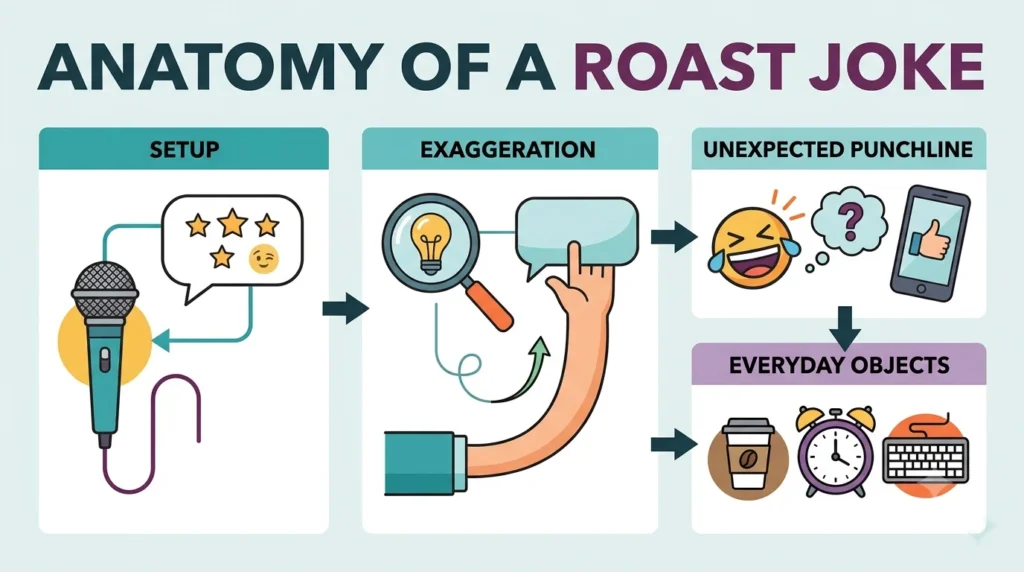
The secret behind a great roast joke is simple: start with something familiar, add an impossible exaggeration, and finish with a surprise. That formula is why these jokes continue to stick around generation after generation.
What Are You So Fat Jokes?
You So Fat jokes are short roast-style jokes that use extreme exaggeration to create a funny image. They usually follow a simple pattern: “You’re so fat…” followed by an impossible situation or comparison. The humor comes from turning a normal observation into something completely over-the-top.
The structure is simple, but the creativity behind it is where the comedy lives. A basic joke might compare someone to a large object, while a stronger version creates a whole ridiculous scene. The listener expects a predictable insult, but the punchline takes an unexpected turn.
For example, the classic style might say someone is so large that a chair needs a backup chair. A modern version might joke that someone’s smartwatch asks them to track “planetary movement” instead of daily steps. The setup stays familiar, but the ending changes the entire picture.
These jokes are a form of hyperbole, which means exaggerating something far beyond reality for effect. Exaggeration has been a major part of humor, storytelling, and everyday expressions for centuries.
The best versions are playful, creative, and clearly unrealistic. A good roast makes people laugh because the idea is impossible, like imagining a person needing a GPS just to find their way around their own couch.
Why Exaggeration Makes These Roasts Funny
Comedy often works by creating a gap between what people expect and what actually happens. When a joke starts with a normal idea and suddenly becomes absurd, the surprise creates the laugh.
That is why these jokes often use:
- Impossible comparisons
- Unexpected objects
- Everyday situations turned ridiculous
- Funny visual images
A strong punchline gives the audience something they can instantly picture. The more ridiculous the mental image, the more memorable the joke becomes.
Modern humor has also changed the way these jokes are created. Instead of only using traditional comparisons, comedians and internet users now mix roast humor with gaming, social media, technology, and pop culture. A joke about a phone battery, a streaming service, or a food delivery app can feel fresher because it connects with everyday experiences.
The best You So Fat jokes are not funny because they are mean. They are funny because they take reality, stretch it like a cartoon, and create a moment that feels completely impossible. That playful exaggeration is what keeps this old-school comedy format alive.
Classic You So Fat Jokes That Started the Trend
Before internet memes, viral tweets, and comment-section battles, roast humor lived in playgrounds, comedy clubs, and friendly conversations. Classic You So Fat jokes became popular because they followed a simple comedy recipe: a quick setup, a ridiculous comparison, and a punchline that made people imagine something completely impossible.
These old-school jokes were built around everyday things everyone recognized — chairs, cars, doors, shadows, and food. The funniest ones did not need complicated wordplay. They worked because the listener could instantly picture the absurd scene.
A good classic roast feels almost like a cartoon. The joke takes one small idea and turns the volume all the way up. Someone does not just take up space; they create a situation where normal objects cannot handle the challenge.
The charm of this style is its simplicity. A short sentence can create a huge visual, and that is exactly what makes these jokes easy to remember and share.
Old-School Playground Favorites
Classic roast humor often depends on surprise. The audience thinks they know where the joke is going, but the punchline takes a silly detour.
Here are some playful examples with a fresh twist:
- You’re so fat, when you stepped on a scale, it said, “Please wait… calculating your zip code.”
- You’re so fat, your shadow takes up a parking spot.
- You’re so fat, when you wear a striped shirt, people think a highway appeared.
- You’re so fat, your belt needed a passport because it crossed so many borders.
- You’re so fat, your favorite exercise is moving from one side of the couch to the other.
- You’re so fat, when you sit around the house, the house actually gets a break.
- You’re so fat, your selfie needs a panoramic setting.
- You’re so fat, your alarm clock rings twice because it needs extra time to reach you.
The reason these jokes work is not the subject itself — it is the ridiculous logic behind them. The punchline creates a world where normal rules no longer apply.
That same technique appears in many forms of comedy, from cartoons to stand-up routines. A character becomes funny because they are placed in an exaggerated situation that could never happen in real life.
Classic roast jokes also rely heavily on timing. A comedian knows that the pause before the punchline matters just as much as the words themselves. A simple setup followed by a surprising ending gives the audience a chance to imagine the joke before the laugh arrives.
Over the years, this style has evolved. The old “chair and scale” jokes have made room for jokes about smartphones, streaming, online shopping, and modern life. But the formula remains the same: take something familiar, exaggerate it, and make the impossible feel hilarious.
The best roast humor is like a cartoon drawn with words — the picture is unrealistic, but the laugh feels real.
Funny You So Fat Jokes With Modern Twists
Classic roast humor has always changed with the times. The jokes that once focused on cars, televisions, and household objects have now moved into a world of smartphones, streaming apps, gaming, and online culture.
Modern You So Fat jokes work because they combine an old comedy formula with things people interact with every day. A phone, a food delivery app, or a fitness tracker can become part of the joke because everyone understands how these things work.
The trick is keeping the exaggeration playful. A funny roast does not simply say something is big — it creates a ridiculous scene where technology, food, or everyday life reacts in an unexpected way.
These newer jokes feel familiar because they borrow from modern experiences. They turn common frustrations, gadgets, and habits into silly comedy moments.
Technology-Themed Roasts
Technology gives comedians endless material. Phones run out of storage, apps send notifications, and smart devices seem to know everything about us. That makes them perfect tools for absurd humor.
Here are some tech-inspired roast jokes:
- You’re so fat, your fitness tracker asked if it should count steps or earthquakes.
- You’re so fat, your phone switched to airplane mode because it thought you were taking off.
- You’re so fat, your Wi-Fi password has a warning label: “Strong enough for one person only.”
- You’re so fat, your smart TV asked if you wanted to watch a movie or become one.
- You’re so fat, your GPS says, “Destination found… eventually.”
- You’re so fat, your smartwatch stopped counting calories and started counting calories’ friends.
Technology jokes work because they create a funny conflict between something designed to be smart and a situation that is completely ridiculous. The device becomes almost like a character reacting to the impossible.
Food-Themed Roasts
Food has always been a favorite topic in comedy because everyone understands the relationship between people and their favorite snacks. From pizza and burgers to desserts and late-night cravings, food humor creates instant connections.
The funniest food-based roasts are not just about eating. They create exaggerated scenes that feel like something from a cartoon.
- You’re so fat, when you ordered a pizza, the delivery driver asked for your address and a map update.
- You’re so fat, your favorite snack has a snack before meeting you.
- You’re so fat, your cookie jar needs a security system.
- You’re so fat, your refrigerator sends you a “missed you” notification.
- You’re so fat, your grocery cart needs its own shopping cart.
Food jokes work well because they combine everyday experiences with impossible ideas. A refrigerator cannot miss someone, and a cookie jar cannot need security, but those unexpected images are exactly where the humor comes from.
Modern roast comedy continues to borrow from daily life because the strongest jokes often start with something familiar. When readers recognize the situation, the exaggeration lands harder.
The next generation of roast humor will likely keep changing with new trends, gadgets, and habits. The tools may change, but the formula stays the same: take something ordinary, add a ridiculous twist, and create a punchline people can instantly picture.
Clean You So Fat Jokes for Friends and Family
The best roast jokes are the ones that make everyone laugh, including the person being teased. Clean humor works because it focuses on silly exaggeration instead of trying to be genuinely hurtful. A clever punchline, a ridiculous comparison, or an unexpected twist can turn a simple joke into something people remember.
Family gatherings, friendly group chats, and casual conversations are where this style of humor often shines. A good joke feels like a playful challenge between friends — everyone knows the goal is laughter, not embarrassment.
Clean You So Fat jokes usually avoid personal attacks and lean into cartoon-like situations. The person in the joke becomes part of a funny imaginary world where everyday objects have opinions and impossible things happen.
Family-Friendly Roast Humor
A friendly roast works best when the joke is clearly exaggerated. The audience should think, “That is ridiculous,” not “That is actually mean.”
Here are some clean examples:
- You’re so fat, your family photo needs a wide-angle lens and a backup camera.
- You’re so fat, your favorite chair has a “thank you for your service” plaque.
- You’re so fat, when you play hide-and-seek, everyone just waits for snack time.
- You’re so fat, your jacket has a zip code.
- You’re so fat, your blanket needs another blanket to cover you.
- You’re so fat, your couch considers you a permanent roommate.
- You’re so fat, your favorite seat saves your spot before you even arrive.
- You’re so fat, your backpack has wheels because it knows who is carrying who.
The secret to family-friendly roast humor is creativity. A joke about a couch, a blanket, or a backpack feels playful because the punchline is built around imagination.
Many classic family jokes also work because they follow the same structure as other forms of clean comedy: introduce something normal, then add a surprising twist. A regular object suddenly has a personality, a problem, or a completely unreasonable reaction.
That style connects with dad humor too. Dad jokes often use simple setups, obvious wordplay, and silly logic. They may make people groan first, but the smile usually follows right behind.
When Roast Humor Works Best
A little awareness goes a long way. The funniest jokes are shared between people who understand each other’s sense of humor. A joke that makes one friend laugh might not land the same way with someone else.
Good roast humor usually has three things:
- A playful tone: The delivery matters as much as the words.
- Creative exaggeration: The joke should feel impossible, not personal.
- A shared understanding: Everyone knows it is meant for fun.
That is why classic roast battles between friends can be entertaining. The competition is not really about winning — it is about who can create the funniest and most unexpected punchline.
The funniest You So Fat jokes are the ones that leave people laughing at the ridiculous image they created. When the joke feels more like a cartoon scene than an insult, everyone gets to enjoy the punchline.
Your So Fat Jokes Variations People Search For
One funny thing about internet humor is that people often search for jokes the same way they say them out loud. That is why phrases like “Your So Fat Jokes” appear alongside the more grammatically correct “You’re So Fat Jokes.” The meaning is the same: readers are looking for classic roast-style jokes built around exaggerated comparisons.
Search variations happen all the time with popular phrases. People remember how a joke sounds, type it quickly, and find the humor they were looking for. In comedy, the laugh usually matters more than perfect spelling.
The bigger idea behind these searches is not grammar — it is nostalgia. Many readers are looking for the same playful roast style they heard growing up, along with newer versions that feel fresh for today’s audience.
This connects closely with other roast traditions, especially Yo Mama jokes and their history in popular humor. Both styles rely on exaggeration, quick timing, and creative comparisons.
You’re So Fat vs Your So Fat
The phrase “You’re so fat” is the standard written form because it is a shortened version of “You are so fat.” The word “your” shows ownership, while “you’re” combines “you” and “are.”
However, online searches do not always follow textbook grammar. People frequently type phrases based on sound, memory, or common usage. That means both versions can lead readers to the same type of comedy content.
The important part is understanding the humor format:
- A setup that begins with “You’re so fat…”
- An exaggerated comparison
- A surprising punchline
That simple structure has created thousands of variations over the years.
Popular Search Variations and Related Roast Styles
Readers searching for these jokes may also look for similar comedy formats, including:
- You so big jokes
- Fat roast jokes
- Funny roast lines
- Clean insult jokes
- Classic playground jokes
- Yo Mama jokes
- Funny one-liners
These formats share a common foundation: taking a normal idea and pushing it into impossible territory.
For example, roast humor often uses everyday situations and adds an unexpected twist. A phone becomes confused, a chair becomes nervous, or a GPS gets overwhelmed. The object is not the real target — the ridiculous scenario is the joke.
This connects closely with other roast traditions, especially Yo Mama jokes and their history in popular humor. Both styles rely on exaggeration, quick timing, and creative comparisons.
Why These Search Variations Stay Popular
The internet keeps older humor formats alive because they are easy to share. A short joke can become a caption, a text message, a meme, or a quick laugh between friends.
The popularity of these variations also shows how language changes online. People do not always search with perfect spelling; they search with the words they remember. A phrase can become part of internet culture simply because enough people use it.
At the heart of every version is the same formula: a simple opening, an impossible situation, and a punchline that creates a funny mental picture.
That is why You So Fat jokes continue to appear in searches year after year. The wording may change, but the comedy formula stays familiar.
How to Write a Good You So Fat Joke
Writing a funny roast joke is less about finding a clever insult and more about creating an unexpected idea. The strongest You So Fat jokes do not simply describe something large — they build a ridiculous scene that makes people imagine something impossible.
A great joke usually starts with something familiar. It could be a phone, a car, a favorite food, a household item, or a daily routine. Then comes the creative jump: take that normal thing and exaggerate it until it becomes completely absurd.
The difference between an average joke and a memorable one is often the surprise factor. If the audience can predict the ending, the laugh disappears. But when the punchline takes a strange turn, the joke feels fresh.
The Formula Behind a Good Roast
Most classic roast jokes follow a simple three-part structure:
1. The setup
Start with a recognizable phrase that prepares the audience for the joke.
Example:
“You’re so fat…”
This opening works because people instantly understand the format.
2. The exaggeration
Create a situation that could never happen in real life.
Example:
“Your fitness watch needed a calculator update…”
The joke becomes funny because the comparison is impossible.
3. The unexpected punchline
End with the funniest or most surprising image.
Example:
“…because it started measuring your steps in miles.”
The punchline should create a picture in the reader’s mind. Comedy often works best when people can see the joke happening like a scene in a movie.
Tips for Creating Better Roast Jokes
Use everyday objects
The funniest ideas often come from ordinary things. A toaster, phone, backpack, or coffee cup can become part of the joke because everyone understands them.
Add a modern twist
Older jokes relied on simple objects, but today’s humor can include streaming services, apps, smart devices, and internet culture.
Example:
“You’re so fat, your smart speaker asked if you wanted a playlist or a meal plan.”
The technology is familiar, but the situation is impossible.
Avoid predictable endings
A joke should not feel like something readers have already heard a hundred times. Try changing the direction halfway through.
Instead of:
“You’re so fat, you need two seats.”
Think:
“You’re so fat, your chair has a loyalty program.”
The second version creates a more unexpected image.
Make the joke visual
The best punchlines allow readers to picture something silly.
A chair asking for loyalty points, a GPS getting confused, or a refrigerator sending notifications are funny because they create a tiny imaginary world.
The Role of Wordplay and Double Meanings
Some of the funniest roast jokes borrow techniques from puns and wordplay. A phrase can have two meanings, or a normal expression can be taken literally.
For example, a joke can twist an everyday phrase into something unexpected. This type of humor appears in many comedy styles because it rewards the audience for noticing the hidden connection.
Good roast writing is not about making the biggest exaggeration possible. It is about finding the funniest idea behind the exaggeration.
A simple joke with a surprising ending will usually beat a long joke with no direction. The goal is not just to say something extreme — it is to create a moment where people think, “That is ridiculous… but I can picture it.”
That is the magic behind memorable roast humor. It turns a few words into a full comedy scene.
The Funniest You So Fat Jokes to Share With Friends
A great roast joke is like a tiny comedy performance. It needs a quick setup, a clear image, and a punchline that arrives at just the right moment. The reason You So Fat jokes have stayed popular for so long is because they are easy to understand, easy to share, and easy to remix with new ideas.
The funniest versions do not rely on repeating the same old comparisons. They take familiar situations — ordering food, using technology, hanging out with friends — and add an impossible twist.
These jokes work best when shared with people who enjoy playful humor. Think of them as cartoon-style exaggerations where everyday objects and situations become part of the punchline.
Here are some fresh roast-style jokes with different flavors:
Everyday Life Roast Jokes
- You’re so fat, your calendar marks “getting ready” as a three-day event.
- You’re so fat, your favorite chair has your name written on it like a reserved table.
- You’re so fat, when you walk into a room, the furniture rearranges itself.
- You’re so fat, your mirror takes a moment before showing the full picture.
- You’re so fat, your alarm clock gives you a motivational speech before asking you to get up.
- You’re so fat, your coat has a front door and a back door.
Everyday humor works because everyone understands the situation. The joke takes a normal moment and pushes it into a ridiculous world.
Travel-Themed Roast Jokes
Travel jokes are perfect for exaggeration because they already involve large spaces, vehicles, and long journeys.
- You’re so fat, your suitcase asks you where it is going without you.
- You’re so fat, your airline seat requests a neighbor update.
- You’re so fat, your GPS says, “Recalculating… and maybe widening the route.”
- You’re so fat, your road trip needs its own highway.
The funniest travel jokes create an image that feels like a scene from a comedy movie. The audience does not just hear the joke — they imagine it happening.
Animal-Inspired Roast Jokes
Animals have always been part of comedy because they make comparisons fun and unexpected.
- You’re so fat, your pet walks you for exercise.
- You’re so fat, your dog thinks you are the couch.
- You’re so fat, birds fly around you because they think you are a new landmark.
- You’re so fat, your cat uses you as premium furniture.
Animal jokes work because they combine familiar creatures with impossible reactions. The animal becomes part of the comedy instead of just a comparison.
Why Shareable Jokes Work Online
Short jokes perform well online because they fit naturally into conversations. A quick one-liner can become a text message, social media caption, or funny reply in seconds.
The most shareable humor usually has three qualities:
- It is easy to understand immediately.
- It creates a clear mental picture.
- It has a punchline people want to repeat.
That is why roast formats continue to appear across memes, videos, and comment sections. The structure is simple enough for anyone to recognize, but creative enough for people to keep inventing new versions.
The best You So Fat jokes are not remembered because they are the harshest. They are remembered because they are the most creative. A clever exaggeration will always beat a boring insult.
Why You So Fat Jokes Remain Popular After All These Years
Comedy trends come and go, but some joke formats refuse to disappear. You So Fat jokes have survived because they are simple enough for anyone to understand and flexible enough to keep changing with every generation.
The basic formula has stayed the same for decades: start with a familiar phrase, create an exaggerated situation, and end with a surprising image. That structure is easy to remember, which makes it perfect for sharing with friends, adding to conversations, or turning into new jokes.
A teenager today might create a roast using a smartphone or video game reference, while someone decades earlier might have used a television or car. The objects change, but the comedy engine stays the same.
From Playground Roasts to Internet Humor
Before social media, roast jokes were passed around through conversations, schoolyards, comedy routines, and handwritten joke collections. Their short format made them easy to remember and repeat.
The internet gave these jokes a new home. A single funny line can now travel through group chats, comment sections, memes, and social platforms within minutes.
Modern audiences also enjoy remixing old formats. A classic joke structure can be updated with:
- Streaming references
- Gaming humor
- Smartphone jokes
- Workplace situations
- Pop culture moments
- Everyday frustrations
This ability to adapt keeps the format fresh. A joke style survives when people can make it feel like their own.
The Power of Simple Comedy
Not every joke needs a complicated setup or a long story. Some of the most memorable comedy comes from a single unexpected sentence.
Short roast jokes work because they create instant mental images. The audience does not need background information or a long explanation. They understand the setup immediately and wait for the ridiculous twist.
That simplicity connects these jokes with other forms of classic humor, including one-liners, dad jokes, and playful wordplay. The goal is the same: create a quick moment of surprise.
A strong joke also leaves room for imagination. When someone hears a line about a chair needing extra support or a phone struggling to keep up, their brain fills in the funny details.
Keeping Roast Humor Playful
The funniest roast jokes understand the difference between teasing and being hurtful. Good comedy focuses on creativity, timing, and exaggeration.
A clever roast says, “Imagine this ridiculous situation,” rather than simply trying to put someone down.
That is why the best versions feel more like cartoon comedy than personal criticism. The joke creates a fictional world where anything can happen — and that is where the laughter comes from.
As long as people enjoy clever exaggeration and playful competition, this classic roast format will continue finding new audiences. The technology may change, the references may change, and the delivery may change, but the love for a ridiculous punchline never really goes away.
More Creative You So Fat Jokes With Unexpected Punchlines
The best roast jokes are often the ones nobody sees coming. A predictable punchline might get a small laugh, but an unexpected twist creates the kind of joke people remember and repeat later.
Creative You So Fat jokes work because they combine familiar situations with impossible outcomes. They take things people see every day — restaurants, school, work, hobbies, and entertainment — and turn them into exaggerated comedy scenes.
The goal is not to make the biggest statement possible. The goal is to find the funniest angle.
School and Work Roast Jokes
School and workplace situations are perfect for comedy because everyone has experienced classrooms, meetings, desks, and deadlines.
- You’re so fat, your school ID needed a landscape photo.
- You’re so fat, your desk asked for a bigger office.
- You’re so fat, your backpack has its own backpack.
- You’re so fat, your office chair files a vacation request after every meeting.
- You’re so fat, your computer asks if you need extra storage before saving your lunch order.
- You’re so fat, your lunch break needs a lunch break.
These jokes work because they take ordinary places and add a ridiculous reaction. A desk cannot complain, and a chair cannot request time off, but imagining those things happening creates the humor.
Entertainment and Pop Culture Roast Jokes
Movies, games, and streaming culture have changed how people talk about comedy. Modern jokes often borrow ideas from entertainment because audiences already understand those references.
- You’re so fat, your favorite streaming service asks if you are watching a show or becoming a season.
- You’re so fat, your gaming character needs a larger loading screen.
- You’re so fat, your movie trailer has a wider release than the actual film.
- You’re so fat, your video game avatar needs an expansion pack.
Pop culture humor stays popular because it feels current. A joke connected to something people already enjoy can feel more personal and shareable.
The Secret Ingredient: Surprise
A good roast joke is a little like a magic trick. The setup makes people think they know what is coming, but the punchline changes direction.
For example:
“You’re so fat, your phone…”
At that moment, the listener expects a joke about storage, battery life, or size. The funniest endings are the ones that go somewhere unexpected.
Maybe the phone needs a map. Maybe it calls for backup. Maybe it starts treating the person like a new technology problem.
The surprise is what creates the laugh.
Building Your Own Joke Collection
If you enjoy creating jokes, keep a list of funny observations from everyday life. The best comedy ideas often come from small moments:
- A strange notification on your phone
- A funny restaurant experience
- An unusual object at home
- A weird phrase someone says
Comedy writers often turn ordinary observations into exaggerated stories. A simple idea can become a memorable punchline when you add imagination.
The beauty of You So Fat jokes is that there is always room for new versions. The format is old, but the possibilities are endless. As long as people keep finding new ways to exaggerate everyday life, this classic roast style will keep producing fresh laughs.

You So Fat Jokes for Different Types of Humor Lovers
Not everyone laughs at the same kind of joke. Some people love quick one-liners, others enjoy silly wordplay, and some prefer jokes that build a ridiculous scene before delivering the punchline.
That is why roast humor has so many different styles. A simple format can be shaped into different types of comedy depending on the audience, the situation, and the creativity behind the joke.
The funniest You So Fat jokes are not just about exaggeration. They are about finding a style that matches the moment.
One-Liner Roast Jokes
One-liners are the classic version of roast humor. They are short, fast, and designed to deliver the punchline immediately.
Examples:
- You’re so fat, your favorite app is called “Find My Other Side.”
- You’re so fat, your shoes need directions to find each other.
- You’re so fat, your shadow has a shadow.
- You’re so fat, your calendar skips straight to next month.
These jokes work well because there is no waiting around. The setup and punchline arrive almost instantly.
Silly and Absurd Roast Jokes
Absurd humor takes exaggeration even further. Instead of making something slightly bigger, it creates a completely impossible situation.
Examples:
- You’re so fat, your reflection needs a loading screen.
- You’re so fat, your favorite chair has a retirement plan.
- You’re so fat, your mailbox asks if the package is for you or the neighborhood.
- You’re so fat, your GPS says, “Please select a smaller destination.”
Absurd jokes are funny because the audience knows the situation could never happen. The ridiculous image becomes the entire point.
Pun-Based Roast Jokes
Wordplay adds another layer to comedy. Instead of only creating a funny situation, these jokes play with language, phrases, and double meanings.
Examples:
- You’re so fat, your diet plan is called “The Long Walk to the Refrigerator.”
- You’re so fat, your snack drawer has a “frequent visitor” program.
- You’re so fat, your fitness app asked if you wanted to switch to a weather app.
Pun-based humor rewards people who enjoy clever wording. The laugh comes from the connection between two ideas that normally would not belong together.
Anti-Humor Roast Jokes
Sometimes the funniest joke is one that completely ignores what people expect.
Anti-humor works by creating a setup where the audience waits for a clever punchline, but the ending goes somewhere strangely simple.
Examples:
- You’re so fat, your calendar has more days marked “lunch.”
- You’re so fat, your mirror says, “I need a bigger screen.”
- You’re so fat, your chair knows your schedule.
The joke is funny because it treats an impossible situation like it is completely normal.
Finding the Right Roast Style
Different joke styles work in different situations. A quick one-liner might be perfect for a text message, while a longer absurd joke might work better during a conversation with friends.
A simple way to think about it:
| Humor Style | Best For | What Makes It Work |
|---|---|---|
| One-liners | Quick laughs | Fast punchlines |
| Absurd jokes | Creative humor | Impossible situations |
| Wordplay | Clever audiences | Language twists |
| Anti-humor | Unexpected laughs | Breaking expectations |
The best comedians often mix different styles. They might start with a familiar setup, add some wordplay, and finish with an absurd twist.
That variety is what keeps roast humor interesting. The format may be simple, but the creative possibilities are almost endless.
How to Deliver a You So Fat Joke Without Ruining the Laugh
A great joke is not only about the words. The way it is delivered can completely change how people receive it. A clever punchline with the wrong timing can fall flat, while a simple joke with perfect timing can become everyone’s favorite line.
You So Fat jokes work best when they feel playful, confident, and clearly exaggerated. The goal is to create a funny moment, not make someone feel like the joke is aimed at hurting them.
Comedy has always depended on timing, tone, and knowing the audience. The same joke can create laughter between close friends but feel uncomfortable in the wrong setting.
Timing Is Part of the Punchline
A short pause before the ending can make a joke much funnier. It gives people a second to imagine where the sentence is going before the surprise arrives.
Compare these two approaches:
Fast delivery:
“You’re so fat your GPS needs a bigger map.”
Better delivery:
“You’re so fat… your GPS tried to help… then asked for a bigger map.”
The second version creates a small moment of anticipation. The audience gets a chance to picture the situation before hearing the punchline.
Many comedians use this technique because the pause builds curiosity. The audience becomes part of the joke by guessing what happens next.
Match the Joke to the Audience
Not every joke belongs in every conversation. Good humor depends on knowing who is listening and understanding what they find funny.
Friendly roast humor usually works best when:
- People already know each other well
- Everyone enjoys playful teasing
- The joke focuses on a silly idea
- The tone stays light
A roast between friends is different from making jokes about strangers. The relationship between the people involved is what makes the humor work.
Confidence Makes Comedy Better
A hesitant joke often loses its impact. If someone tells a joke while sounding unsure, the audience may focus more on the awkwardness than the punchline.
Good delivery comes from treating the joke like a funny story. Speak clearly, enjoy the absurdity, and let the ridiculous image do the work.
The funniest roast comedians are not laughing because they are being mean. They are laughing because they created a strange, impossible scenario that everyone can imagine.
The Difference Between a Roast and an Insult
A roast and an insult may look similar on the surface, but they have different goals.
A roast:
- Uses creativity
- Creates laughter
- Often includes exaggeration
- Is usually shared among people who understand the joke
An insult:
- Tries to hurt
- Focuses on negativity
- Does not need creativity
The strongest roast jokes feel more like playful storytelling. They turn a person into a character in a ridiculous comedy scene.
That is why the best You So Fat jokes are remembered for their imagination, not their harshness. A great punchline makes people laugh because the situation is impossible, not because someone was put down.
When the setup is clever, the timing is right, and the audience is comfortable, even a simple roast format can become a memorable comedy moment.
The Evolution of You So Fat Jokes in Modern Comedy
Every generation creates its own version of humor. The jokes people shared around a school lunch table years ago are not exactly the same jokes people send in group chats today. The format changes, but the basic idea behind You So Fat jokes remains familiar: take something ordinary, exaggerate it, and create a ridiculous image.
Older versions often focused on everyday objects like cars, furniture, and household items. Modern versions pull inspiration from technology, online culture, entertainment, and current trends.
A joke about a phone, streaming service, or fitness tracker can feel just as familiar today as a joke about a television or a sofa felt decades ago.
From Classic Roasts to Digital Comedy
The internet transformed how people discover and share jokes. Instead of hearing a joke from a friend and repeating it at school or work, people now share humor through:
- Social media posts
- Group chats
- Memes
- Short videos
- Comment sections
This has made roast humor faster and more creative. Someone can take an old joke format and add a completely new reference within minutes.
For example, a classic joke might involve a scale refusing to work. A modern version might involve a smart device giving a dramatic warning. The structure stays recognizable, but the details change with culture.
Why Old Formats Still Work
Great comedy formats survive because they are easy to understand. People do not need a long explanation before they get the joke.
The “You’re so…” setup works because it creates instant curiosity. The audience already knows a punchline is coming, but they want to see how creative the comparison will be.
This is similar to other famous comedy styles, including:
- Knock-knock jokes
- Dad jokes
- One-liners
- Roast battles
- Puns
Each format has a familiar pattern, but writers keep it alive by creating new twists.
The Future of Roast Humor
Comedy will continue changing as technology and culture evolve. Future roast jokes may involve artificial intelligence, virtual reality, smart homes, and experiences that do not even exist yet.
The tools may change, but the ingredients of a good joke will remain the same:
- A familiar setup
- A creative exaggeration
- A surprising ending
- A reason to share the laugh
That is why this style of humor has lasted for so long. It is not tied to one decade, one platform, or one trend. It is built on a simple human habit: finding funny ways to make ordinary things feel completely ridiculous.
The funniest jokes are often the ones that make people say, “That makes no sense… but I can totally imagine it.” That combination of surprise and imagination is what keeps roast humor alive.
You So Fat Jokes That Make Great Captions and Comebacks
Short jokes have always been easy to share, but social media has taken quick humor to another level. A funny line can become a caption, a reply, or a message between friends within seconds.
You So Fat jokes work especially well in these situations because they are naturally short, visual, and easy to understand. A good caption does not need a long explanation — it needs a punchline that creates an instant image.
The best comeback-style humor is quick, creative, and unexpected. It feels like a playful challenge where the funniest response wins.
Funny Caption-Style Roast Lines
These jokes are built for quick laughs:
- You’re so fat, your selfie camera switches to wide mode automatically.
- You’re so fat, your profile picture needs a panoramic setting.
- You’re so fat, your online shopping cart asks if you need a delivery truck.
- You’re so fat, your fitness app sends you a motivational speech before starting.
- You’re so fat, your photo album has a “continue on next page” button.
- You’re so fat, your social media followers need a bigger screen.
Short jokes like these work well because they create a funny picture without needing extra context.
Playful Comebacks Between Friends
A good comeback is less about being harsh and more about being clever. The funniest responses often sound like something created in the moment.
Examples:
Friend:
“Your chair must miss you when you leave.”
Comeback:
“Yeah, it finally gets a break.”
Friend:
“Your fridge knows you better than your friends.”
Comeback:
“True, it sends me reminders.”
Friend:
“Your phone storage is full.”
Comeback:
“Only because it saved all my amazing snacks.”
The best roast exchanges feel like a friendly competition. Each person tries to create the funniest idea, not the meanest one.
Why Short Humor Performs Well
People naturally enjoy jokes they can remember and repeat. A short punchline can travel further because it fits into everyday conversations.
This is why one-liners appear everywhere:
- Text messages
- Social captions
- Group chats
- Memes
- Comment sections
Short humor also encourages creativity. A simple joke structure gives people a starting point, but everyone can add their own personality.
A person might create a food-related version, while someone else creates a technology joke. The possibilities keep expanding because daily life keeps changing.
Turning a Classic Joke Into a New One
One way comedians create fresh humor is by updating old ideas with modern details.
Classic idea:
“You’re so fat, your clothes need extra space.”
Modern twist:
“You’re so fat, your online shopping account recommends furniture instead of outfits.”
The setup feels familiar, but the ending surprises the audience.
That is the reason this format continues to appear in conversations and online humor. A simple phrase can become thousands of different jokes when people add creativity, timing, and their own experiences.
A memorable roast is not the one that is the loudest. It is the one that makes people laugh and immediately want to share it.
Final Collection: More You So Fat Jokes for Every Kind of Laugh
After decades of roast battles, comedy shows, and friendly teasing, one thing remains clear: people love a joke that creates a ridiculous picture in their imagination.
The best You So Fat jokes combine simple setups with creative punchlines. They borrow from everyday life, then take a wild turn that nobody expects.
This final collection brings together different humor styles — from silly observations to absurd situations — giving every type of comedy fan something to enjoy.
Quick and Clever Roast Jokes
These short jokes are perfect when you want a fast laugh:
- You’re so fat, your belt has its own zip code.
- You’re so fat, your shoes need a travel map to meet each other.
- You’re so fat, your chair checks the weather before supporting you.
- You’re so fat, your alarm clock wakes up tired.
- You’re so fat, your shadow needs extra room.
- You’re so fat, your favorite spot on the couch has a reserved sign.
- You’re so fat, your clothes have their own closet.
- You’re so fat, your footsteps have a loading time.
Food Lover Roast Jokes
Food humor is a comedy favorite because everyone understands snacks, meals, and cravings.
- You’re so fat, your sandwich needs a sandwich of its own.
- You’re so fat, your refrigerator sends you birthday cards.
- You’re so fat, your pizza delivery driver brings a moving truck.
- You’re so fat, your cookie jar has a “welcome back” message.
- You’re so fat, your leftovers have leftovers.
- You’re so fat, your grocery list includes “more grocery list.”
Technology Roast Jokes
Modern life gives comedians endless material. Smart devices, apps, and gadgets are perfect for ridiculous comparisons.
- You’re so fat, your phone unlocks with facial recognition and asks for a wider angle.
- You’re so fat, your laptop needs a bigger screen just to display your desktop.
- You’re so fat, your smartwatch upgraded itself to a wall clock.
- You’re so fat, your Wi-Fi connection gets tired following you around.
- You’re so fat, your fitness tracker changed careers.
Absurd One-Liners
Sometimes the funniest jokes are the ones that make absolutely no sense.
- You’re so fat, your reflection needs a loading bar.
- You’re so fat, your shadow asks for personal space.
- You’re so fat, your calendar skips ahead because today takes longer.
- You’re so fat, your backpack carries you.
- You’re so fat, your mirror needs a panoramic update.
- You’re so fat, your name appears on both sides of your mailbox.
The Secret Behind a Good Roast
The funniest jokes are not remembered because they are the most extreme. They are remembered because they create a clever image.
A chair taking a vacation. A phone getting confused. A refrigerator sending messages. These ideas work because they turn normal objects into characters in a comedy scene.
That is the heart of great roast humor. It takes something familiar and gives it an impossible twist.
Whether you enjoy classic playground jokes, modern internet humor, or clever one-liners, this style of comedy continues to prove one thing: a simple setup can create endless laughs when imagination does the heavy lifting.
The best joke is not always the biggest joke. Sometimes it is just the one that makes everyone say, “That is completely ridiculous… and somehow funny.”
How You So Fat Jokes Connect With Other Comedy Styles
Great humor rarely exists in only one category. A joke can be a roast, a pun, a one-liner, and a piece of observational comedy all at the same time. That is why You So Fat jokes have lasted so long — they borrow ideas from many different types of humor.
At their core, these jokes are built on exaggeration. But the way that exaggeration is delivered can change the entire feeling of the joke.
A clever word twist creates a pun. A strange everyday situation creates observational humor. A completely impossible scenario creates absurd comedy. The same basic format can produce many different kinds of laughs.
The Connection Between Roast Humor and Dad Jokes
Dad jokes are famous for being simple, predictable, and sometimes wonderfully silly. They often rely on wordplay, obvious logic, or unexpected interpretations.
Roast humor and dad humor may seem different, but they share one important ingredient: creativity.
Both styles take ordinary ideas and add a twist.
For example, a normal statement about a chair becomes funny when the chair suddenly has an opinion. A regular phone becomes funny when it reacts like a person.
That playful imagination is what connects these comedy styles.
Observational Humor in Roast Jokes
Observational humor comes from noticing everyday experiences and turning them into comedy.
Many modern roast jokes use this technique by looking at things people already understand:
- Shopping online
- Using fitness apps
- Ordering food
- Taking photos
- Going to restaurants
The situation feels familiar, which makes the exaggerated ending even funnier.
A joke works because the audience thinks, “I know exactly what that is like,” before the punchline takes the idea somewhere completely unexpected.
Wordplay and Double Meanings
Some of the cleverest jokes use language itself as the source of comedy.
Words and phrases can have multiple meanings, and comedians often use that confusion to create a surprise.
For example, a phrase that normally means one thing can be taken literally and turned into a ridiculous image.
This is why puns and roast jokes often overlap. Both depend on looking at ordinary language from a different angle.
Why Mixing Humor Styles Creates Better Jokes
A joke becomes stronger when it has more than one layer.
A simple roast might get a quick laugh, but a roast with a clever reference, word twist, or unexpected observation can stay in someone’s memory longer.
The strongest comedy often combines:
- A familiar situation
- A surprising comparison
- A playful exaggeration
- A memorable ending
That combination is why roast humor appears everywhere, from casual conversations to professional comedy shows.
A good You So Fat joke is not just an insult with a punchline. It is a tiny piece of creative writing. The setup creates curiosity, the exaggeration creates the image, and the ending delivers the laugh.
Comedy works best when it feels effortless, but behind every memorable joke is a simple idea: take something ordinary and make people see it in a completely different way.
The Psychology Behind Why Exaggeration Makes People Laugh
A funny joke does more than deliver a punchline. It creates a tiny surprise inside the listener’s mind. The audience expects one direction, but the joke suddenly takes a strange turn. That moment of surprise is where laughter often begins.
You So Fat jokes are a perfect example of this because they rely on exaggeration more than reality. The audience knows the situation is impossible, and that impossibility is what makes it entertaining.
A person cannot actually confuse a GPS system or make a chair need a vacation. Those ideas are funny because the brain recognizes the impossible picture and enjoys the creativity behind it.
The Surprise Factor in Comedy
Many successful jokes follow a simple pattern:
- Create an expectation.
- Change the direction.
- Deliver an unexpected idea.
The opening phrase of a roast joke creates a familiar expectation. People already know the style, so their brain starts guessing what comes next.
The punchline works when it breaks that prediction.
For example, a listener may expect a joke about size, but instead, the punchline involves a confused app, a dramatic household object, or a completely unrelated situation. That unexpected shift creates the laugh.
Why Absurd Images Stay in Memory
People often remember jokes because they create strong mental pictures.
A normal sentence can disappear quickly, but a ridiculous image stays:
- A GPS giving up on directions
- A chair requesting a vacation
- A refrigerator sending a message
- A fitness tracker changing careers
These ideas are memorable because they are unusual. The brain naturally pays more attention to things that break normal patterns.
This is why comedians often use exaggeration, storytelling, and visual language. A joke becomes stronger when the audience can imagine the scene.
Familiarity Makes Humor Easier to Understand
Even the wildest joke usually starts with something familiar.
That might be:
- A phone
- A restaurant
- A family gathering
- A workplace situation
- A favorite snack
When people recognize the setup, they quickly understand the joke. The exaggeration then becomes the surprising part.
This balance between familiarity and absurdity is one reason roast humor remains popular. If a joke is too realistic, it may not feel funny. If it is too random, people may not connect with it.
The sweet spot is somewhere in between: a situation people understand with a twist they never expected.
Why People Share These Jokes
A joke becomes popular when it creates a reaction people want to pass along. Short roast jokes are especially shareable because they are:
- Easy to remember
- Quick to tell
- Simple to understand
- Flexible enough to customize
That is why the format continues appearing in conversations, memes, and online humor.
The funniest jokes often feel like tiny stories. In only a few words, they create a world where ordinary things behave in ridiculous ways.
That combination of recognition and surprise is what keeps exaggeration-based comedy alive. A good roast does not need a complicated explanation — it only needs one impossible idea that makes everyone picture the same funny scene.

How to Keep You So Fat Jokes Funny Without Repeating the Same Punchlines
One challenge with classic joke formats is that they can become predictable. Once people have heard the same comparisons about chairs, scales, and refrigerators many times, the surprise starts to disappear.
The secret to keeping You So Fat jokes fresh is not changing the format completely. It is finding new angles, modern references, and unexpected connections that make the punchline feel original.
Great comedy does not always need a brand-new idea. Sometimes it needs a familiar idea viewed from a different direction.
Update Old Ideas With Modern Details
A joke from the past can feel new when it connects with the way people live today.
Traditional humor might mention:
- Cars
- Televisions
- Household furniture
- Restaurant meals
Modern versions can include:
- Smartphones
- Streaming platforms
- Smart devices
- Online shopping
- Gaming
The setup stays recognizable, but the details make the joke feel current.
For example, instead of a simple joke about a couch, a modern version might imagine the couch having an app, a schedule, or an opinion. The object becomes part of the story.
Use Unexpected Comparisons
The strongest punchlines often avoid obvious choices. If everyone expects a joke about food, try connecting the idea to something completely different.
Unexpected comparisons create stronger laughs because the audience has to make a new connection.
Examples:
- You’re so fat, your calendar reminds you when it’s time to turn around in bed.
- You’re so fat, your camera asks if it should switch from portrait mode to documentary mode.
- You’re so fat, your shadow has its own weekend plans.
These jokes work because they do not simply repeat common ideas. They create a strange little world where normal things react in funny ways.
Add Personality to the Punchline
A joke becomes more memorable when objects or situations seem to have human reactions.
Compare:
“You’re so fat, your chair is too small.”
With:
“You’re so fat, your chair started looking for a replacement job.”
The second version creates a character. The chair is no longer just an object — it has feelings, opinions, and a funny reaction.
This technique appears across many comedy styles, from cartoons to animated movies. Giving personality to ordinary things creates instant humor.
Avoid the Easy Ending
The first idea that comes to mind is often the most common joke. The better idea usually appears after asking one more question:
“What would make this situation even more ridiculous?”
That extra step is where original comedy is created.
A refrigerator does not just hold food — what if it sends reminders?
A phone does not just take pictures — what if it needs a wider view?
A chair does not just hold weight — what if it has retirement plans?
The funniest ideas often come from pushing a normal situation one step further.
The Formula for Fresh Roast Humor
Creating memorable roast jokes is less about being extreme and more about being creative.
A strong joke usually has:
- A familiar starting point
- A surprising direction
- A clear mental image
- A playful ending
That formula keeps old comedy styles alive. The format may stay the same, but the imagination behind it keeps changing.
A joke that feels new will always have more impact than a recycled punchline. The best humor does not just make people laugh for a second — it gives them a line they want to share.
You So Fat Jokes: The Art of Friendly Roasting
Roasting has always been a unique part of comedy. Unlike a regular joke, a roast feels like a conversation between people. It depends on timing, confidence, and understanding the difference between playful teasing and going too far.
You So Fat jokes became popular because they fit perfectly into this style of humor. They are short enough for quick exchanges but creative enough to become memorable. The best ones feel less like an attack and more like a funny imagination exercise.
A successful roast creates laughter because everyone understands that the situation is exaggerated. The joke is not meant to describe reality — it is meant to create a ridiculous comedy scene.
What Makes a Good Roast?
A good roast usually has three ingredients:
Creativity:
A simple insult is easy to forget. A clever comparison is what makes people laugh.
Timing:
A joke delivered at the right moment can be much funnier than the same words said randomly.
Playfulness:
The audience should recognize that the goal is entertainment, not negativity.
Comedy writers often focus on these same elements when creating stand-up routines, character jokes, and one-liners.
The Role of Friendship in Roast Humor
Many classic roast jokes are shared between people who already understand each other’s humor. Friends often use playful teasing as part of their conversations because both sides know the intention behind the joke.
The relationship creates the space for the humor to work.
A funny roast between close friends feels like a game:
- One person delivers a joke.
- The other responds with a better one.
- Everyone laughs at the creativity.
The competition is not about being the meanest. It is about creating the funniest idea.
Why Creative Roasts Get Better Reactions
Imagine two different approaches:
“You are big.”
That statement is simple and predictable.
Now compare:
“You’re so fat, your fitness app asked if you wanted to track steps or continents.”
The second joke creates a funny mental picture. It takes something familiar and pushes it into an impossible situation.
That is why exaggeration is the foundation of great roast humor.
Knowing When to Stop
The funniest comedians understand that every audience is different. A joke that works in one group may not work in another.
Good roast humor usually depends on:
- Trust between people
- The right setting
- A shared sense of humor
- A playful attitude
The strongest jokes are remembered because everyone enjoyed the moment.
A clever roast is like a friendly competition in creativity. The winner is not the person who says the harshest thing — it is the person who creates the funniest picture in everyone’s imagination.
That is why You So Fat jokes continue to be part of comedy culture. They are simple, flexible, and built around a timeless idea: sometimes the most ridiculous exaggeration creates the biggest laugh.
The Best Places to Use You So Fat Jokes
A good joke is not only about the punchline. It is also about the moment, the audience, and the place where it is shared. The right joke at the right time can create a memorable laugh, while the same joke in the wrong setting may not have the same effect.
You So Fat jokes have remained popular partly because they fit into many casual situations. Their short format makes them easy to share in conversations, messages, captions, and friendly comedy battles.
The key is understanding the setting and keeping the humor playful.
Group Chats and Friendly Conversations
Group chats are one of the natural homes for quick roast humor. Friends often share jokes, memes, and funny replies because everyone understands the casual tone.
A short joke works well because people can read it instantly and respond with their own comeback.
Examples:
- You’re so fat, your group chat needs extra storage for your photos.
- You’re so fat, your notifications need more space to reach you.
- You’re so fat, your emoji needs a bigger screen.
The best group chat jokes create a chain reaction. One person sends a joke, another responds with a better one, and suddenly everyone is competing to create the funniest line.
Social Media Captions
Short humor is perfect for social media because people scroll quickly. A strong caption needs to grab attention immediately.
Roast-style jokes can work well as:
- Funny captions
- Meme text
- Comment replies
- Friendship posts
A memorable caption usually has a clear image and a quick punchline.
For example:
“You’re so fat, your profile picture needs a travel guide.”
The joke is short, visual, and easy to understand.
Comedy Games and Roast Battles
Roast battles are built around quick thinking and creative insults. Participants try to create the funniest lines while entertaining the audience.
In this environment, the strongest jokes are usually the ones that feel original.
A basic comparison may get a small reaction, but a clever twist creates a bigger laugh.
Good roast battle jokes often:
- Build anticipation
- Use unexpected references
- Include wordplay
- Create a memorable image
When Not to Use Roast Humor
Understanding when a joke fits is just as important as creating one.
A joke may not work when:
- The audience does not know your sense of humor
- Someone is uncomfortable with that style of teasing
- The situation is serious
- The joke feels personal instead of playful
The goal of comedy is connection. The best jokes bring people together because everyone is enjoying the moment.
Why Context Changes Everything
The exact same sentence can feel completely different depending on who says it and where it is said.
Between close friends, a silly roast may create laughter. Between strangers, it may feel awkward.
That is true for almost every type of humor. Timing, trust, and delivery often matter as much as the words themselves.
The magic of You So Fat jokes comes from their flexibility. They can be quick jokes between friends, funny captions online, or part of a larger comedy routine.
When used with the right audience and the right attitude, they become what good humor should be: a simple reason for people to laugh together.
Why You So Fat Jokes Continue to Inspire New Generations of Humor
Some jokes disappear after a few months, while others keep finding new audiences year after year. The difference is usually flexibility. A joke format survives when people can adapt it to new experiences, new technology, and new ways of communicating.
You So Fat jokes have lasted because they are not tied to one specific time period. The format is simple enough for anyone to understand, yet open enough for endless creativity.
A child, teenager, comedian, or internet creator can all take the same structure and create something completely different.
A Simple Formula With Endless Possibilities
The reason this style works is because the structure is easy to recognize:
“You’re so fat…”
Then comes the creative challenge:
“How can this idea become impossible?”
That question gives writers unlimited directions.
The joke can involve:
- Food
- Travel
- Technology
- Sports
- Entertainment
- Everyday objects
- Modern trends
The format acts like a blank canvas. The writer provides the imagination.
How Internet Culture Changed Roast Humor
Online culture has made humor faster and more collaborative. People no longer just consume jokes — they remix them.
A single joke idea can inspire:
- New versions
- Memes
- Video responses
- Comment battles
- Personal variations
This has helped classic formats survive because each generation adds its own personality.
A joke about a television from decades ago might become a joke about streaming today. A joke about a camera might become a joke about phone filters tomorrow.
The details change, but the comedy pattern remains recognizable.
Why People Love Familiar Humor
There is something comforting about a joke style people already understand. A familiar setup creates anticipation.
The audience knows the format, but they stay interested because they want to see what new direction the punchline takes.
It is similar to other long-lasting comedy styles:
- Knock-knock jokes
- Puns
- Dad jokes
- One-liners
- Riddles
Each one follows a recognizable pattern while leaving room for creativity.
The Future of Roast Jokes
As culture changes, jokes will continue changing with it. Future versions may include new technology, new trends, and new experiences that do not exist yet.
Imagine roast jokes involving:
- Artificial intelligence assistants
- Virtual reality worlds
- Smart homes
- Future transportation
The subject matter will evolve, but the basic ingredients will stay the same:
- A familiar idea
- A surprising exaggeration
- A funny mental image
- A memorable ending
That is why this style of humor keeps returning. It is not really about one phrase. It is about the human love of turning ordinary situations into something completely ridiculous.
A great joke does not need to be complicated. Sometimes all it needs is one funny idea, one unexpected twist, and a reason for people to laugh together.
And that is exactly why You So Fat jokes continue to hold a place in comedy culture. They are simple, adaptable, and endlessly remixable — the perfect recipe for humor that refuses to disappear.
Quick Tips for Creating Your Own You So Fat Jokes
Creating a memorable roast joke may look easy, but the funniest lines usually come from careful observation and creative thinking. The best comedians are not just searching for insults — they are looking for unusual connections between everyday things.
You So Fat jokes are a great example of this process. The opening phrase stays familiar, but the real creativity happens in the comparison that follows.
A strong joke does not need complicated words. It needs a simple idea that takes an unexpected turn.
Start With Something Familiar
The easiest way to create a joke is to look around and find ordinary things people already understand.
Think about:
- Phones
- Cars
- Restaurants
- Clothing
- Sports
- Household items
- Daily routines
A familiar object gives the audience a starting point. The punchline becomes funnier because it transforms something normal into something ridiculous.
For example:
A phone is normal.
A phone needing extra space because of a photo is unexpected.
A chair is normal.
A chair requesting a vacation is absurd.
That contrast creates the laugh.
Make the Object Part of the Joke
One of the strongest comedy techniques is giving personality to objects.
Instead of saying:
“You’re so fat, your chair is small.”
Try imagining:
“Your chair started a support group after meeting you.”
The second version works because the chair becomes a character with a reaction.
This technique appears in cartoons, animated movies, and stand-up comedy because it creates a bigger mental picture.
Combine Two Different Ideas
Unexpected connections often create the best punchlines.
Try combining things that normally do not belong together:
- Fitness + technology
- Food + transportation
- Furniture + emotions
- Travel + everyday routines
The stranger the combination, the more surprising the joke can become.
For example:
“You’re so fat, your fitness tracker switched to a weather forecast because it was tracking climate change.”
The humor comes from connecting two unrelated ideas.
Keep the Punchline Short
A common mistake when writing jokes is adding too much explanation.
Comedy works best when the audience reaches the funny idea quickly.
A good roast joke usually has:
- A simple setup
- One clear image
- A quick ending
If the audience has to think too hard about what is funny, the punchline loses energy.
Test the Joke Out Loud
A joke can look funny on paper but sound different when spoken.
Reading it aloud helps you notice:
- Awkward wording
- Weak punchlines
- Extra words
- Timing problems
Comedians often test jokes repeatedly before performing them because small changes can make a big difference.
The Real Secret: Observe Everything
Funny ideas are everywhere. A strange notification, a funny conversation, or an unusual situation can become a joke with the right twist.
The best humor often begins with a simple question:
“What would be funny if this happened differently?”
That question turns ordinary moments into comedy ideas.
Writing You So Fat jokes is not really about exaggerating one topic. It is about training your imagination to see funny possibilities everywhere.
The format may be classic, but creativity is what keeps it alive. A fresh perspective can turn a familiar joke style into something people have never heard before.
The Difference Between a Classic Roast and a Modern Roast
Roast humor has always reflected the time it comes from. The jokes people shared years ago were built around the things they saw every day, while modern jokes often include technology, online culture, and current trends.
You So Fat jokes are a perfect example of how comedy changes while keeping the same foundation. The setup may stay familiar, but the references evolve with each generation.
A classic roast might compare someone to a large object. A modern roast might compare someone to a smartphone feature, an app, or a viral trend. Both approaches use the same comedy tool: exaggeration.
Classic Roast Humor
Older roast jokes often focused on simple, everyday experiences.
Common themes included:
- Household furniture
- Vehicles
- Food portions
- Clothing
- School situations
These jokes worked because everyone understood the references. There was no need for extra explanation.
The humor came from creating a ridiculous image using things people already knew.
A chair becoming nervous, a car struggling to move, or a doorway needing extra space are all examples of classic exaggeration-based comedy.
Modern Roast Humor
Modern jokes often borrow from the digital world. People spend so much time with technology that apps, devices, and online experiences have become part of everyday language.
Modern roast ideas may include:
- Smartphones
- Social media
- Streaming platforms
- Gaming
- Artificial intelligence
- Fitness technology
These references feel current because they connect with how people live now.
A fitness tracker that gives up, a phone needing extra storage, or an app becoming confused are funny because they mix familiar technology with impossible situations.
What Has Not Changed
Even though the references are different, the core ingredients remain the same:
A familiar setup:
The audience immediately understands the situation.
An exaggerated idea:
The joke pushes reality far beyond normal.
A surprising ending:
The punchline creates the laugh.
That formula has worked across generations because it is based on a basic part of comedy: surprise.
People enjoy seeing ordinary things transformed into something unexpected.
Why Both Styles Still Matter
Classic and modern roast humor do not compete with each other. They add to each other.
Older jokes provide nostalgia. They remind people of childhood humor, school friendships, and classic comedy traditions.
Newer jokes keep the format alive by making it relevant to current audiences.
The best comedians often mix both styles. They use a familiar joke structure but add a modern reference that makes the punchline feel fresh.
That balance is what keeps roast humor from becoming outdated. The world changes, but people still enjoy the same thing: a clever idea that turns an ordinary moment into something completely ridiculous.
Great comedy is not about the object being joked about. It is about the imagination behind the joke. A chair, a phone, or a food delivery app can all become funny when a writer knows how to create the right unexpected twist.
Conclusion
You So Fat jokes have lasted because they represent one of the simplest forms of comedy: taking an ordinary idea and transforming it into something completely ridiculous. The formula is easy to recognize, but the creativity behind each punchline is what keeps the format fresh.
From classic playground roasts to modern internet humor, these jokes have adapted to every generation. The references may change from cars and televisions to smartphones and streaming apps, but the heart of the humor remains the same — exaggeration, surprise, and imagination.
The best roast jokes are not the ones that are the harshest. They are the ones that create the funniest mental picture. A chair with feelings, a phone that gets confused, or a fitness tracker that gives up can turn a simple setup into a memorable comedy moment.
Like many forms of humor, these jokes work best when they are shared with the right audience and the right spirit. Good comedy brings people together through creativity and laughter.
So whether you enjoy classic one-liners, modern twists, clever wordplay, or silly absurd humor, there is always room for a new punchline. A familiar format can create endless laughs when someone adds a fresh idea.
Because in comedy, the biggest laughs often come from the smallest spark of imagination.
FAQs
1. What are You So Fat jokes?
You So Fat jokes are a type of roast humor that uses exaggerated comparisons to create funny and unrealistic situations. The joke format usually starts with “You’re so fat…” and ends with an impossible scenario designed to surprise the listener.
The humor comes from exaggeration, not reality. A good version creates a silly mental image that feels more like a cartoon scene than a serious statement.
2. Why are You So Fat jokes popular?
These jokes remain popular because they are simple, memorable, and easy to customize. Anyone can understand the setup, but the punchline can change based on current trends, personal experiences, and creative ideas.
Their short format also makes them easy to share in conversations, social media posts, memes, and group chats.
3. Are You So Fat jokes considered dad jokes?
Some You So Fat jokes can fit into dad humor because they often rely on simple setups, silly exaggerations, and playful word choices.
Like many dad jokes, they are not always about being clever in a complicated way. Their charm comes from being easy to understand and intentionally ridiculous.
4. What makes a good roast joke?
A good roast joke usually combines creativity, timing, and exaggeration. The funniest jokes create an unexpected image rather than simply making a basic observation.
Strong roast humor often includes:
- A familiar setup
- A surprising comparison
- A memorable punchline
- A playful delivery
5. What is the difference between You So Fat jokes and Yo Mama jokes?
Both joke styles use exaggeration and roast humor, but they focus on different formats.
You So Fat jokes usually begin with a direct comparison about size or a ridiculous situation. Yo Mama jokes use a family-based setup and often follow a different insult structure.
Both became popular because they rely on quick punchlines and creative exaggeration.
6. Are clean You So Fat jokes okay for kids?
Clean versions can be suitable for kids when they focus on silly exaggeration rather than personal attacks. The tone and audience matter more than the format itself.
Family-friendly jokes usually work best when everyone understands that the goal is playful laughter.
References
- Merriam-Webster — Hyperbole and exaggeration definitions
- Encyclopaedia Britannica — Humor and comedy concepts
- Oxford Reference — Comedy terminology
- Cambridge Dictionary — Idioms and expressions