2 Puns: Funny Examples, Clever Wordplay, and Why They Work

Some jokes need a long setup. Others need perfect timing. 2 puns fall into a different category—they make people laugh by turning one tiny word or number into clever wordplay. Whether the joke plays on two, too, or to, the fun comes from hearing an ordinary phrase in a completely unexpected way.
If you enjoy quick laughs that are clean, easy to remember, and fun to share, number puns are hard to beat. They’re a favorite in classrooms, family dinners, greeting cards, text messages, and, of course, classic dad humor. The best ones don’t rely on complicated stories. They simply twist everyday language in a way that catches your brain off guard for a split second, and that’s often enough to earn a smile—or an exaggerated eye roll.
If you’re a fan of clever wordplay, you’ll also enjoy our complete collection of dad jokes, where you’ll find hundreds of family-friendly jokes for every occasion.
In this article, you’ll find more than a list of punchlines. We’ll look at what makes 2 puns work, share a mix of original and classic-inspired examples, explain why these jokes are so memorable, and even show you how to create your own. From quick one-liners to playful question-and-answer jokes, there’s something here for anyone who appreciates a little harmless wordplay.
Some of these jokes will make you laugh. Others might make you groan. Around here, both reactions count as success.
What Are 2 Puns?
A 2 pun is a joke that plays with the number “2” or the words two, too, and to. Because these words sound alike but have different meanings, they create unexpected twists that make simple sentences funny. That’s why 2 puns are among the easiest forms of wordplay to understand and share.
Think about how often you hear the words to, too, or two in everyday conversation. English speakers use them constantly, which gives comedians, parents, teachers, and pun lovers plenty of opportunities to sneak in a clever joke. A tiny change in spelling or meaning can completely change how a sentence is understood, and that surprise is where the humor lives.
For example, someone might say:
“I wanted to tell two jokes, but that would be too much.”
The sentence works because your brain quickly jumps between the three sound-alike words. It’s simple, clean, and memorable—the perfect recipe for a classic dad joke.
Unlike jokes that depend on pop culture references or complicated stories, number puns are easy for almost anyone to enjoy. Kids appreciate the playful language, while adults enjoy the clever twist hiding in plain sight. They’re also versatile enough to fit birthday cards, classroom activities, speeches, social media captions, or casual conversations.
At their best, number puns reward people for paying attention to language. They remind us that English is full of words that sound identical but mean completely different things, making even an ordinary sentence feel unexpectedly clever.
If you’re curious about why words like two, too, and to can create so much confusion—and comedy—Merriam-Webster’s explanation of homophones offers a helpful overview of how these sound-alike words work in English.
Now that you know what makes this style of humor tick, it’s time for the fun part: a collection of clever number jokes that prove sometimes the smallest word can deliver the biggest laugh.
Funny 2 Puns That Never Get Old
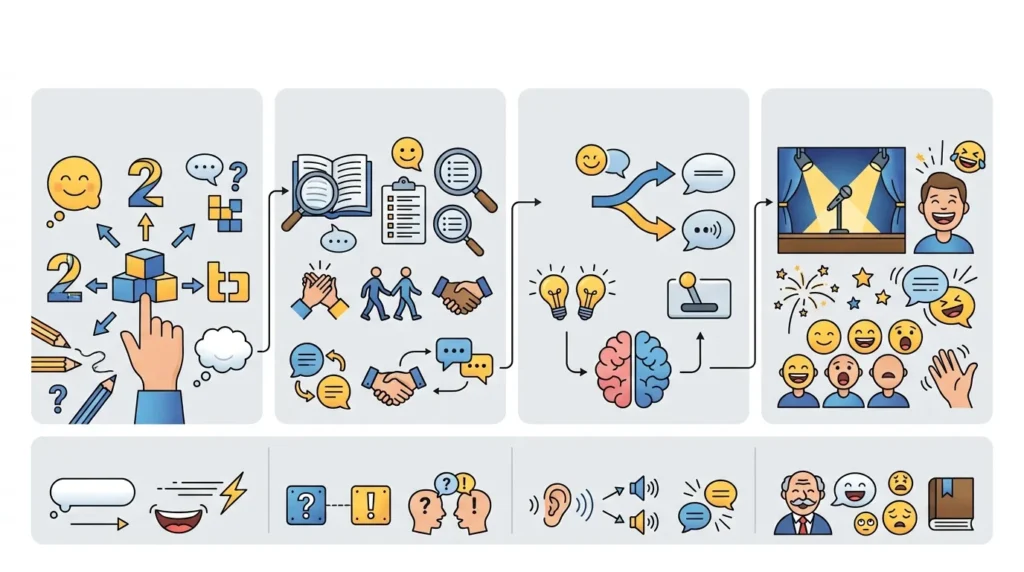
The funniest number puns keep things simple. They take an everyday word like two, too, or to, give it a clever twist, and let the double meaning do the work. The result is a joke that’s quick to read, easy to remember, and surprisingly satisfying to share.
You don’t need an elaborate setup to make a good pun land. In fact, the shorter the joke, the stronger the surprise often feels. That’s one reason these jokes have survived for generations. They fit naturally into conversations, birthday cards, classroom activities, and those moments when someone says, “Tell me a quick joke.”
Below is a mix of original jokes and fresh takes on classic wordplay. Some aim for a genuine laugh, while others proudly embrace the glorious dad-joke groan.
Quick One-Liners
- I bought two calendars. I figured it was about time.
- My shoes came in pairs, so I guess they already knew the value of teamwork.
- I tried telling one joke, then another. Everyone agreed two was better than one.
- My pencil wanted a friend, so I gave it a number 2 pencil to hang out with.
- I only tell two jokes before dinner. Any more would be too filling.
- When the elevator stopped on the second floor, it said, “This is where I draw the line.”
- My coffee asked for another cup. It wasn’t greedy—it just wanted two stay awake.
- I entered a doubles tournament by myself. That plan lasted about two minutes.
- I wrote my shopping list twice. Now I have two many reminders.
- The bicycle refused to race alone. It believed every adventure is better with a partner.
Question-and-Answer Puns
Why did the number 2 bring a suitcase?
Because it was ready for a second trip.
Why were two cookies always together?
They made the perfect batch.
What did one shoe say to the other?
“We make quite the pair.”
Why did the musician ask for two microphones?
One was for singing, and the other was for backup harmony.
Why did the calendar love February?
It knew good things can come in shorter packages.
What did the number 2 say during the race?
“I’m not first, but I’m still counting on it.”
Why did the duck cross the road twice?
The first trip was just a practice quack.
Why did the baker smile after making two pies?
Because dessert is always better when there’s another slice waiting.
What makes these jokes enjoyable isn’t just the wordplay—it’s the unexpected shift in meaning. Your brain briefly expects one interpretation, then suddenly discovers another. That tiny surprise creates the laugh, even if it’s followed immediately by a dramatic eye roll.
The best dad jokes don’t try too hard. They celebrate simple language, lean into obvious puns, and somehow become even funnier the more confidently they’re delivered.

Why Number Puns Are So Easy to Remember
Number puns stick in your memory because they’re built on familiar words and simple patterns. Instead of asking you to remember a long story, they deliver a quick twist using language you hear every day. That combination makes them easy to understand, repeat, and share.
One reason these jokes work so well is that your brain naturally looks for meaning as you read or listen. When a word like two, too, or to appears, you expect one interpretation. A clever pun suddenly flips that expectation, creating a small moment of surprise. Even though the joke is short, your brain enjoys solving the tiny puzzle before the punchline lands.
Another advantage is that number puns don’t depend on current trends. A joke about today’s viral meme might feel outdated next year, but a well-written pun based on the English language can stay funny for decades. That’s why teachers use them in classrooms, parents tell them around the dinner table, and friends slip them into birthday cards or casual conversations.
They’re also incredibly versatile. A single pun can fit almost anywhere:
| Situation | Why a 2 Pun Works |
|---|---|
| Birthday cards | Adds a lighthearted, personal touch |
| Social media captions | Short enough to grab attention |
| Classroom activities | Makes language lessons more engaging |
| Family gatherings | Clean humor everyone can enjoy |
| Icebreakers | Starts conversations with a smile |
The best part is that these jokes invite participation. Once someone hears a clever pun, they often try to think of another one. Before long, one joke turns into a friendly competition to come up with the funniest twist on the words two, too, or to.
That playful creativity is one reason dad jokes have remained popular for generations. They’re less about delivering the perfect punchline and more about sharing a laugh—even if that laugh comes with a dramatic sigh and the classic, “That was terrible.”
In the next section, we’ll look at the best times to use 2 puns, from casual conversations to greeting cards and social media captions, so your wordplay lands exactly where it’s supposed to.
Best Places to Use 2 Puns
The best time to use a 2 pun is whenever you want to lighten the mood without putting anyone on the spot. These jokes are short, clean, and easy to understand, making them a natural fit for everyday conversations, celebrations, and online posts.
Unlike humor that depends on inside jokes or current trends, number puns are almost universal. Most people immediately recognize the playful twist between two, too, and to, so the joke lands quickly without needing much explanation.
Here are some of the best places to put these puns to work.
Birthday Cards
A birthday card doesn’t always need a heartfelt speech. Sometimes a clever line is enough to make someone smile before they even open the gift.
Try something like:
- “Hope your birthday is two good to forget.”
- “You’re not getting older—you’re just getting two experienced.”
Simple jokes like these keep the message cheerful while adding a personal touch.
Social Media Captions
Short captions tend to perform better because they’re easy to read and share. Number puns naturally fit platforms like Instagram, Facebook, X, and Threads.
For example:
- “Good vibes? Me two.”
- “Two cool for a Monday.”
- “Coffee first. Everything else comes two later.”
A playful caption can make an ordinary photo a little more memorable.
Family Gatherings
Dad jokes have a special talent for making everyone react at once. Some people laugh, others groan, and someone inevitably says, “Please don’t start.”
That’s exactly what makes them fun.
Whether it’s a holiday dinner, barbecue, road trip, or game night, a quick number pun can break the silence and get everyone smiling.
Classroom Activities
Teachers often use puns to make language lessons more engaging. Since two, too, and to are common homophones, they provide a fun way to practice spelling and vocabulary while keeping students entertained.
Instead of memorizing grammar rules, students see how changing just one word can completely change a sentence’s meaning.
Everyday Conversations
You don’t need a special occasion to tell a good pun. Sometimes the funniest jokes happen naturally during ordinary conversations.
Imagine a friend says they’re bringing two pizzas to movie night.
You could answer:
“Perfect. One to eat and one two admire.”
It’s silly, harmless, and exactly the kind of joke that people secretly enjoy—even while pretending they don’t.
The best puns aren’t forced into every conversation. They appear at just the right moment, catch people off guard, and disappear before they’ve worn out their welcome. That’s the secret behind memorable dad humor: good timing beats a long setup every time.

Create Your Own 2 Puns
Writing your own 2 puns is easier than it looks. Start with the words two, too, or to, think of a common phrase that uses one of them, then replace it with another version that sounds the same. A small change in meaning is often all you need for a solid joke.
You don’t have to be a comedian to come up with clever wordplay. Most great puns begin with an ordinary sentence. The trick is to spot a word that has a sound-alike twin and imagine how changing its meaning could create an unexpected twist.
A simple process looks like this:
- Pick a word: two, too, or to.
- Think of a familiar expression that includes it.
- Replace the word with one of its sound-alike versions.
- Add a punchline that makes the new meaning feel intentional.
For example, take the phrase:
“Me too.”
With a little creativity, it becomes:
“Me two—I’ve been waiting for pizza all day.”
Or start with:
“It’s too late.”
Then turn it into:
“It’s two late… we’ve already ordered dessert twice.”
The jokes don’t need to be perfect. In fact, slightly corny puns often get the biggest reaction because everyone recognizes the playful twist.
Three Tips for Better Number Puns
📌 Keep them short.
A quick joke is usually stronger than one with a long explanation.
📌 Use familiar phrases.
Readers enjoy recognizing the original expression before the punchline changes its meaning.
📌 Don’t overthink it.
The goal is a smile, not a standing ovation. A delightfully cheesy pun is often more memorable than a complicated joke.
With a little practice, you’ll start noticing pun opportunities everywhere—in conversations, signs, menus, song titles, and even shopping lists. Once your brain gets into the habit of spotting double meanings, everyday language becomes a playground for clever humor.
And that’s the real charm of number puns. They remind us that some of the funniest jokes don’t come from complicated stories—they come from looking at ordinary words unexpectedly.
Conclusion
The best 2 puns prove that great humor doesn’t have to be complicated. With nothing more than the words two, too, and to, they turn everyday language into clever jokes that are easy to remember and even easier to share. Whether you’re looking for a quick laugh, a witty social media caption, or a family-friendly joke that earns an eye roll and a grin, number puns always have a place.
What makes them special isn’t just the wordplay—it’s their simplicity. A well-timed pun can brighten a conversation, add personality to a birthday card, or make an ordinary moment a little more memorable. Better yet, once you understand how these jokes work, you’ll start spotting opportunities to create your own wherever you go.
So the next time someone says two, too, or to, listen carefully. You might be only one clever twist away from your next favorite dad joke.
Frequently Asked Questions
What are 2 puns?
2 puns are jokes that use the number 2 or the words two, too, and to to create funny double meanings. They’re a popular form of clean wordplay because they’re short, clever, and easy for people of all ages to understand.
Why are number puns so popular?
Number puns are simple, memorable, and work in many situations. They don’t rely on complicated stories or current trends, making them perfect for conversations, greeting cards, classrooms, and social media.
Are 2 puns considered dad jokes?
Many of them are. Their clean humor, obvious wordplay, and delightfully cheesy punchlines fit perfectly with the classic dad joke style, although anyone can enjoy telling them.
What’s the difference between a pun and a regular joke?
A pun creates humor by using words with multiple meanings or similar sounds. A regular joke may rely on storytelling, surprise, or exaggeration instead of wordplay.
Can kids enjoy 2 puns?
Yes. Most number puns are family-friendly and easy to understand, making them suitable for children, students, and adults alike. They’re also a fun way to practice homophones and vocabulary.
How can I write my own 2 puns?
Start with a phrase that includes two, too, or to. Then think about how changing the meaning of the word can create an unexpected twist. Keep the joke short, simple, and easy to say out loud.
Where can I use 2 puns?
They’re great for birthday cards, social media captions, classroom activities, text messages, speeches, family gatherings, and anywhere a quick, lighthearted joke can make people smile.
References
- Merriam-Webster
- Cambridge Dictionary
- Encyclopaedia Britannica
- Oxford Reference