
Acoustic Child Meaning, Meme & Funny Jokes
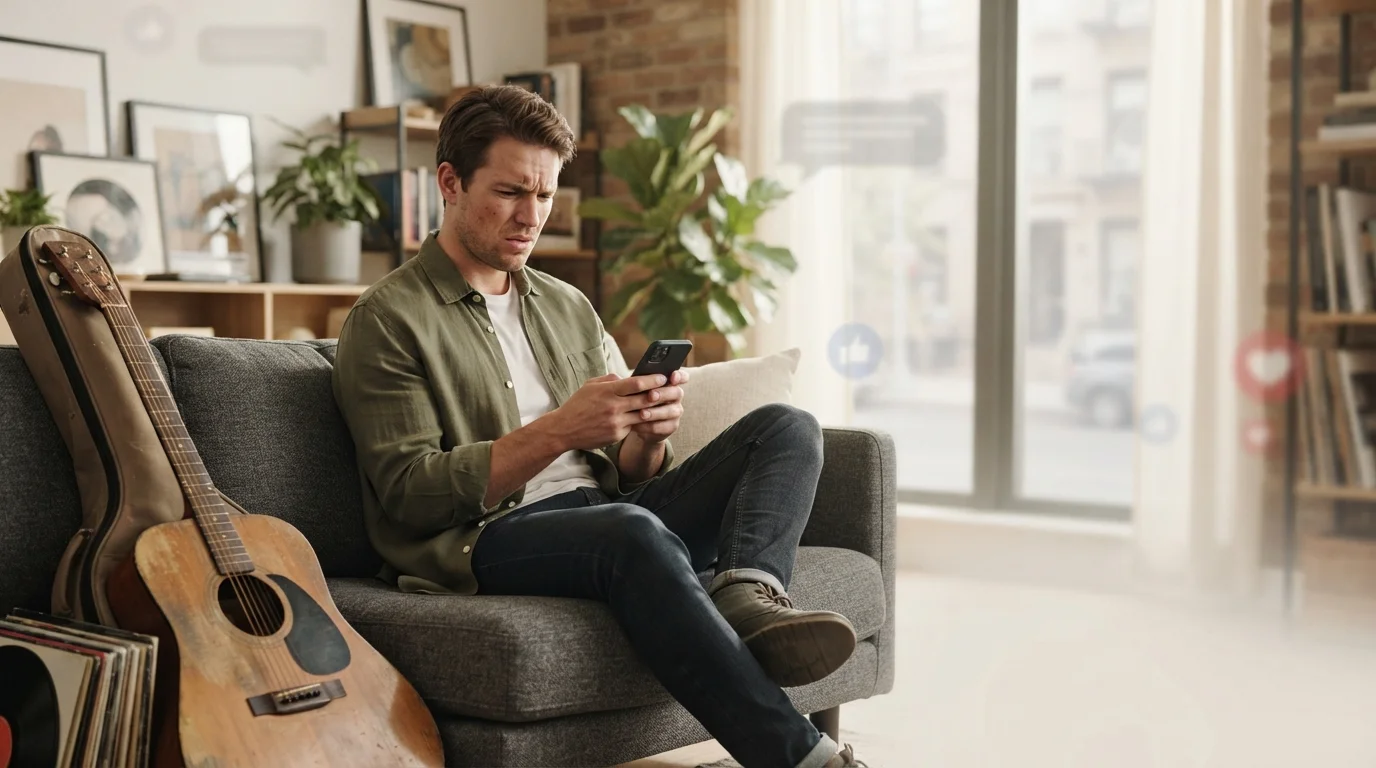
If you’ve spent more than five minutes scrolling through TikTok, Instagram Reels, or X lately, you’ve probably seen someone call a person an acoustic child. At first glance, it sounds like they’re talking about music lessons, guitars, or a kid who really loves unplugged concerts. They’re not. It’s an internet phrase built on wordplay, meme culture, and a deliberate sound-alike substitution that leaves plenty of people scratching their heads.
If you enjoy playful language and clever jokes, you’ll also like our collection of Best Love Puns , where the laughs come from smart wordplay instead of confusing internet slang.
The phrase acoustic child has become a viral meme because it’s intentionally absurd. People replace another similar-sounding word with “acoustic” to create an unexpected joke. Sometimes it’s used among friends who understand the reference. Other times it appears in comment sections where newcomers wonder if they’ve accidentally joined a music appreciation club.
Like many internet memes, the phrase comes with a little baggage. While some people see it as harmless nonsense, others point out that it can be insensitive depending on how it’s used and who it’s aimed at. Knowing the difference matters just as much as understanding the joke itself.
In this article, we’ll explain what acoustic child means, where the meme came from, why it spread so quickly, and when it’s better to skip the joke altogether. Along the way, you’ll also find fresh, original wordplay inspired by the meme—without recycling the same tired punchlines you’ve already seen across social media.
What Does “Acoustic Child” Mean?
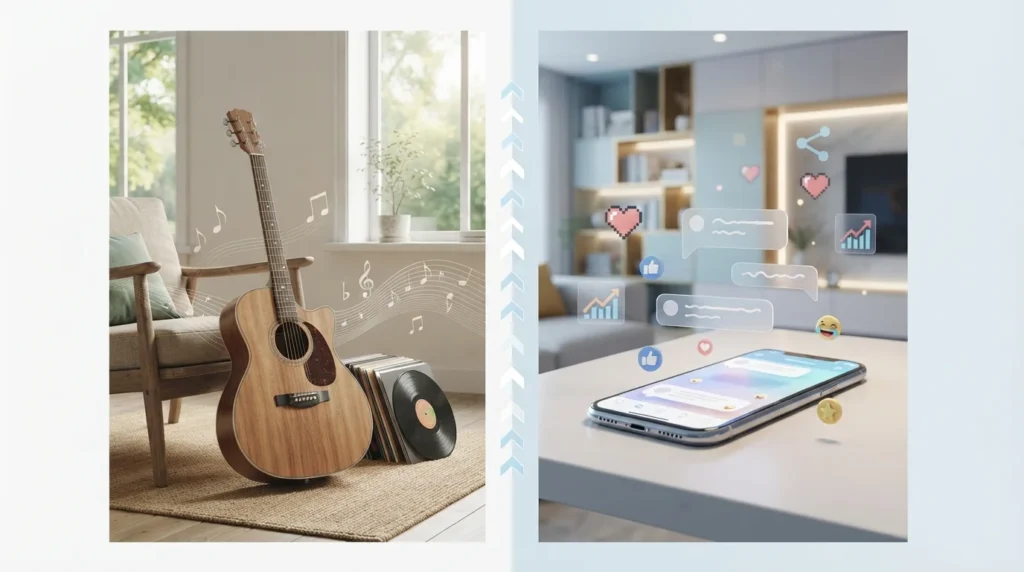
Short answer: Acoustic child is an internet slang phrase that uses a deliberate sound-alike word as part of a meme. The humor comes from replacing a similar-sounding word with “acoustic,” creating an intentionally ridiculous expression that catches people off guard. It’s less about music and more about playful, absurd word substitution—a style of humor that thrives on social media.
If you took the phrase literally, you’d imagine a child who only listens to unplugged guitar sessions or insists every birthday party include a folk singer. That’s exactly why the meme works. Your brain expects one meaning, then gets another. The surprise is the punchline.
This style of humor isn’t new. English has long played with homophones, near-homophones, and words that sound just close enough to confuse people. Internet culture simply turned that old language trick into a fast-moving meme. Instead of explaining the joke, users drop the phrase into comments and let everyone else figure it out—or wonder what they missed.
Imagine these conversations:
- “Why is he called an acoustic child?”
“Because apparently his jokes come with surround sound.” - “I thought acoustic meant guitars.”
“That’s still a better guess than half the comment section.” - “He’s not loud.”
“True. He’s more unplugged than unhinged.”
The funniest part is often the confusion rather than the phrase itself. Someone inevitably asks, “What does that even mean?” and suddenly the comments become funnier than the original post.
Like many viral expressions, context matters. Among friends who understand the meme, it may land as harmless nonsense. Used to mock or label someone, though, it can easily stop being funny. A joke should make people smile—not make someone the target.
Before we get into where the phrase came from, it’s worth remembering that internet slang changes fast. Today’s viral wordplay can become tomorrow’s forgotten inside joke, while the best humor sticks around because it’s clever, not because it’s trending.
Where Did the Phrase Come From?
Short answer: The phrase acoustic child grew out of internet meme culture, where people intentionally swap words that sound somewhat alike to create absurd, unexpected humor. It gained traction through short-form videos and comment sections, where repeating the joke became part of the joke itself.
Unlike classic catchphrases that begin with a TV show or comedian, this meme didn’t have one clear starting point. It spread organically across platforms like TikTok, Instagram Reels, and X, with thousands of users copying, remixing, and slightly changing the wording. That’s how many internet jokes evolve today—less like a single spark and more like a hundred tiny campfires.
Part of the phrase’s popularity comes from its randomness. Someone scrolling through comments expects ordinary conversation, then suddenly stumbles across a sentence that seems to have wandered in from a completely different dictionary. That tiny moment of confusion is what makes many people stop, reread, and sometimes laugh.
Of course, not everyone finds the joke amusing. As the phrase became more common, many users began pointing out that it can be insensitive when it’s used to mock or label real people. That’s why understanding the context matters more than simply repeating the latest meme. A clever joke loses its charm when it’s aimed at making someone feel small.
Why “Acoustic” Instead of Another Word?
The humor relies on phonetic wordplay—using a word that sounds similar enough to another that readers instantly notice the mismatch. Instead of creating a logical sentence, the substitution creates an intentionally illogical one.
It’s the same language trick behind jokes like:
- “I have a photographic memory. It just never developed.”
- “I’m reading a book on anti-gravity. I can’t put it down.”
- “The calendar got promoted because it had so many dates.”
In each case, your brain starts in one direction before the punchline nudges it somewhere unexpected. The acoustic meme follows the same principle, except the surprise comes from replacing a familiar word with one that clearly doesn’t belong.
Because of that, the phrase isn’t really about music, sound waves, or acoustic guitars. It’s about the unexpected collision between language and expectation—a classic recipe for internet humor.
If you enjoy playful twists on words beyond internet slang, our 40th Birthday Pun collection shows how clever wordplay can be funny without relying on viral memes.
For readers curious about the original meaning of the word “acoustic,” Merriam-Webster’s definition of “acoustic” provides the standard dictionary explanation, which is very different from its meme usage.
Is “Acoustic Child” Offensive?
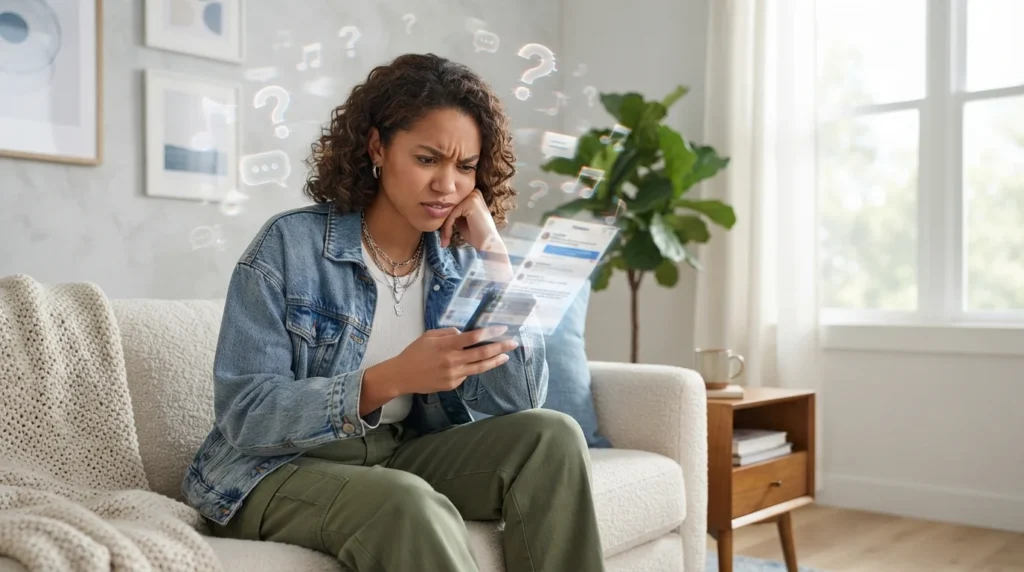
Short answer: It can be. The phrase acoustic child isn’t automatically offensive, but its impact depends on how it’s used, who it’s directed at, and the audience. What starts as internet wordplay can quickly become hurtful if it’s used to mock or label someone.
One reason the phrase sparks debate is that many people recognize it as a playful substitute for another word. In some online spaces, users treat it as harmless meme language. In others, it’s used to tease or insult people, especially in comment sections where context is missing.
That difference matters.
Think about these two situations:
Playful
“My little brother tried to toast cereal because he thought it wasn’t crunchy enough. That’s the most acoustic thing I’ve heard all week.”
Here, the joke is about a silly moment—not about defining who someone is.
Not So Playful
“Look at that kid. He’s so acoustic.”
Now the phrase shifts from describing a funny situation to labeling a person. That’s where many readers—and many creators—feel the humor crosses a line.
A good rule for any meme is simple: if the joke depends on making someone else the punchline, it’s worth reconsidering. The funniest people usually don’t need to punch down. They find humor in everyday misunderstandings, awkward moments, or the wonderfully strange ways people think.
Here are a few examples that keep the joke light without targeting anyone:
- “My GPS said ‘turn right,’ so naturally I waved back.”
- “I spent five minutes looking for my glasses. They were helping me look.”
- “I opened the fridge three times hoping snacks would magically respawn.”
- “I made a to-do list so I could ignore it more efficiently.”
Notice the pattern? The humor comes from relatable human moments, not from attaching labels to real people.
Internet slang changes quickly, but one thing rarely goes out of style: jokes that everyone can laugh at together. When you’re unsure whether a meme might offend someone, choosing a clever pun or an original one-liner is usually the safer—and often funnier—option.
Funny Acoustic Child Jokes and Wordplay
Short answer: The best jokes inspired by the acoustic child meme don’t rely on repeating the phrase over and over. Instead, they borrow its playful, unexpected style of wordplay. That keeps the humor fresh, family-friendly, and far more shareable than recycling the same internet comment.
The internet loves a joke that catches you by surprise. One moment you’re expecting a normal sentence, and the next you’re picturing a child who communicates exclusively through guitar solos. That’s the kind of harmless absurdity that makes this meme memorable.
Rather than copying viral posts, here are some original jokes that play with the same “wait…what?” energy.
Clean One-Liners
- My playlist is so acoustic it apologizes before every drum solo.
- I asked for background music. It showed up wearing a cardigan.
- My guitar has stage fright. It only performs in the living room.
- The loudspeaker quit because it wanted a quieter career.
- My headphones started a book club. They’re into sound advice.
- I bought invisible speakers. They still sound transparent.
- Every family has one person who claps when the plane lands. Ours also thanks the microwave when it beeps.
- I tried to tune my ukulele. It told me to work on my attitude first.
- My ringtone is so calm it puts spam callers to sleep.
- The karaoke machine filed a noise complaint against me.
Love internet humor but looking for something that’s a little more timeless? Our 3rd Birthday Slogans collection is packed with playful, family-friendly lines that prove clever wordplay isn’t just for memes. It’s a fun reminder that the best laughs don’t always need a viral trend behind them.
Q&A Jokes
Why did the guitar refuse to argue?
It didn’t want to strike the wrong chord.
What did the speaker say after telling a bad joke?
“I guess that didn’t resonate.”
Why did the microphone become a therapist?
It was great at listening.
Why was the piano always invited to dinner?
It knew how to keep things in good harmony.
What do you call a musician who loses every game of hide-and-seek?
Easy to find—they always leave a note behind.
Why did the earbuds break up?
They just couldn’t stay connected.
Punny Observations
Some people wake up and choose violence.
Others wake up, wave at the automatic doors, and thank the elevator for arriving. Those are the people who accidentally create the funniest stories.
We’ve all had moments like these:
- Searching the entire house while holding the thing we were looking for.
- Opening a new browser tab and immediately forgetting why.
- Reading a recipe twice, then improvising anyway.
- Saying “I’ll remember that” right before forgetting it forever.
Those little everyday mishaps are comedy gold because everyone has lived through them. They don’t need a viral meme to be funny—they’re funny because they’re real.
The internet may move on to its next strange phrase tomorrow, but unexpected wordplay, relatable moments, and clever puns have much longer shelf lives. That’s the kind of humor people come back to long after a trend has faded.
Conclusion
Internet slang moves at the speed of a swipe, but not every viral phrase is easy to understand. Acoustic child became popular because it plays with expectations, using an unexpected word to create a moment of confusion that many people find funny. Like countless memes before it, its meaning comes less from the words themselves and more from the shared culture surrounding them.
At the same time, context is everything. A joke that makes friends laugh in one conversation can feel hurtful in another. That’s why the smartest approach is to enjoy the creativity behind the wordplay while being mindful of how and where it’s used.
If there’s one takeaway from this meme, it’s that language never stands still. New jokes appear every week, but clever wordplay, relatable observations, and humor that brings people together never go out of style.
Frequently Asked Questions
What does “acoustic child” mean?
“Acoustic child” is an internet slang phrase that uses a deliberate sound-alike word as part of a meme. It’s meant to create absurd humor through unexpected word substitution rather than referring to music or sound.
Where did the acoustic child meme come from?
The phrase spread through social media platforms such as TikTok, Instagram Reels, and X. Rather than having one clear creator, it became popular as users repeated and adapted the joke in videos and comment sections.
Is “acoustic child” an official term?
No. It isn’t an official English expression or dictionary entry. It’s internet slang that developed within online communities.
Is the phrase offensive?
It can be. While some people use it as harmless meme language, others view it as insensitive when it’s directed at or used to mock real people. Context and audience matter.
Why do people say “acoustic” online?
People use “acoustic” because it sounds similar to another word, creating an intentionally absurd phrase. The unexpected substitution is what gives the meme its comedic effect.
Is “acoustic child” related to acoustic music?
No. Despite the word “acoustic,” the meme has nothing to do with guitars, musical performances, or sound quality. The humor comes from the unexpected wording.
What kind of humor is this?
It combines several styles, including wordplay, internet memes, absurd humor, anti-humor, and phonetic jokes that rely on surprising the reader.
References
- Merriam-Webster Dictionary
- Cambridge Dictionary
- Encyclopaedia Britannica
- Oxford Reference
- Oxford English Dictionary