Fat Jokes for Kids: Clean, Silly & Family-Friendly Laughs
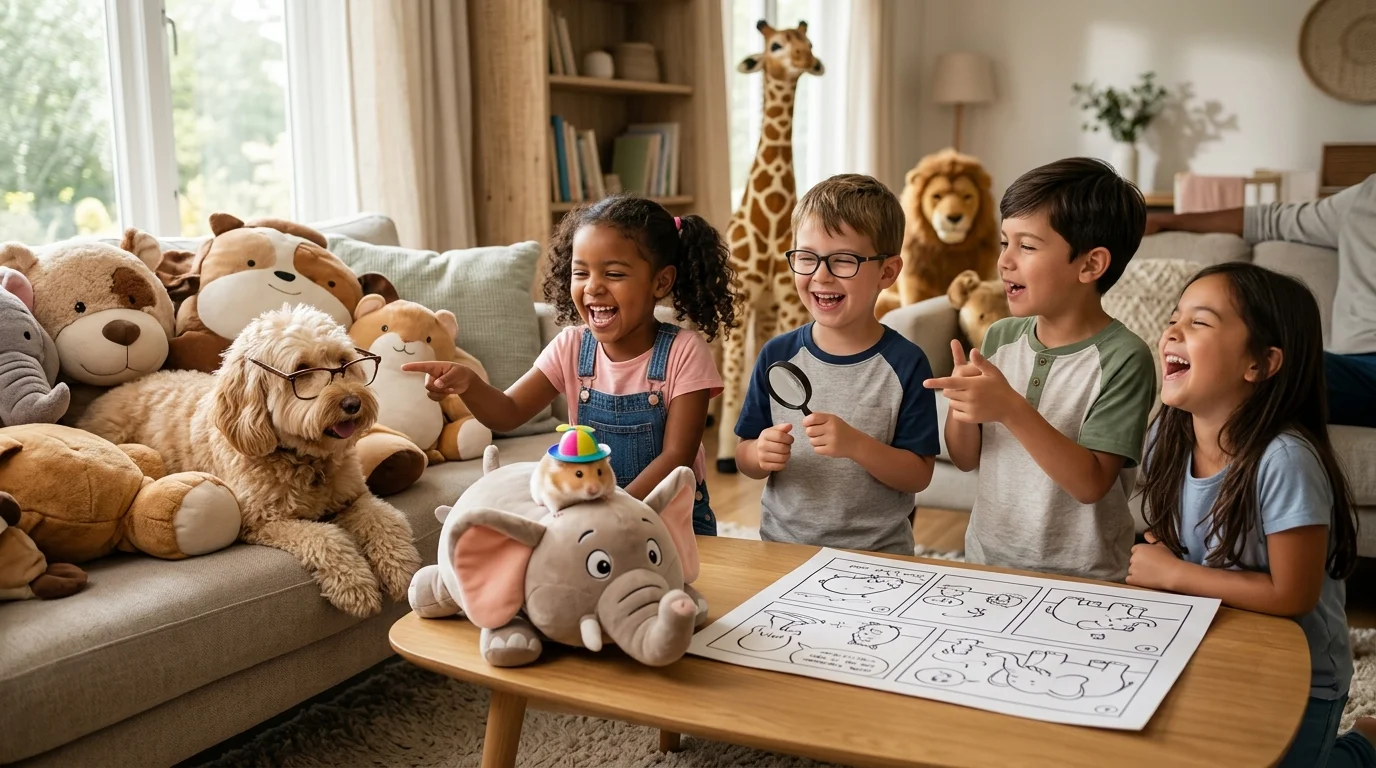
Kids love humor that feels surprising, silly, and easy to share. The best fat jokes for kids are not about making someone feel uncomfortable — they are about goofy situations, ridiculous exaggerations, funny animals, and impossible ideas that make everyone laugh.
A giant sandwich that needs its own chair? A cartoon elephant trying to fit into a tiny backpack? A pizza slice that needs a diet plan? That kind of playful nonsense is where kid-friendly humor shines.
Comedy has always loved exaggeration. Kids naturally understand that a joke can take something ordinary and make it completely ridiculous. A normal-sized cookie becomes a cookie the size of a car. A stuffed animal becomes too big for a bedroom. A silly character becomes larger than life.
The trick is keeping the laughter friendly. Great jokes bring people together instead of making someone the target. That is why clever puns, funny wordplay, and imaginary situations often get bigger laughs than simple teasing.
If you enjoy playful humor, you can also explore our complete collection of fat jokes for more funny examples across different styles and audiences.
From food jokes to animal jokes and quick one-liners, these laughs are designed for kids who love silly comedy with a little imagination mixed in. So grab a friend, share a giggle, and enjoy some jokes that are big on laughs.
What Makes Fat Jokes for Kids Funny?
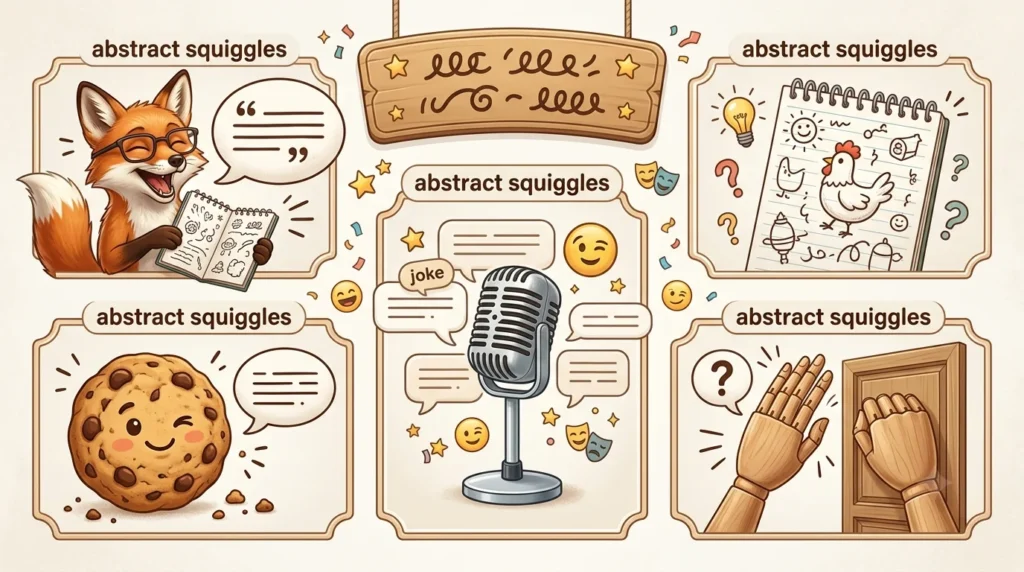
Fat jokes for kids work best when they use exaggeration, imagination, and silly situations instead of focusing on real people. The funniest examples turn ordinary things into ridiculous ideas, creating laughter through surprise and creativity.
Think about the funniest cartoons you watched as a kid. Characters could run through walls, stretch like rubber, or carry impossible amounts of food. Nobody stopped to calculate if it made sense because the fun came from the absurd idea.
That same style works with playful size-based humor. A tiny hamster wearing a giant backpack or a pancake that covers an entire table creates a funny picture in your mind.
Kids especially enjoy jokes that they can imagine. A punchline becomes funnier when they can see the scene playing like a cartoon.
The Magic of Exaggeration in Kids’ Humor
Exaggeration is one of the oldest tricks in comedy. It takes something normal and pushes it so far that it becomes ridiculous.
A kid saying, “I’m so hungry I could eat a horse,” is not making a serious statement. Everyone understands it is a funny way to describe being very hungry.
The same idea appears in silly jokes:
Why did the giant cookie bring a suitcase?
Because it was going on a “snack-cation.”
The joke works because cookies do not travel, pack bags, or take vacations. The impossible picture creates the laugh.
Good kids’ humor often lives in that space between reality and imagination. It gives children permission to think creatively and find funny connections between unrelated ideas.
Why Silly Puns Beat Mean Jokes
A great pun can make people laugh without anyone becoming the joke. Wordplay gives kids a chance to enjoy humor through clever thinking.
For example:
Why did the oversized pencil go to school early?
Because it wanted to make a big impression.
The joke is not about a person. It is about a funny idea. The word “big” changes meaning, creating a simple surprise.
Puns, dad humor, and silly one-liners are popular because they reward listeners who notice the hidden connection. They turn everyday words into tiny comedy puzzles.
According to Merriam-Webster’s dictionary resources on word meanings, understanding how words are used in different ways is a key part of language — and that is exactly why wordplay jokes are so satisfying.
Clean Fat Jokes for Kids That Are Silly, Not Mean
The funniest kid jokes are the ones that feel like a cartoon scene. Instead of pointing fingers, these jokes create silly worlds where animals talk, food has personalities, and everyday objects act completely ridiculous.
A good joke does not need a complicated setup. Sometimes the funniest moments come from a simple twist that nobody expects. A giant cupcake with confidence, a pancake with a personality, or a pet that thinks it owns the house can create instant laughs.
These clean jokes use exaggeration and imagination to keep the humor playful. They are perfect for sharing with siblings, classmates, or family members who enjoy a little goofy comedy.
Funny Food-Themed Fat Jokes
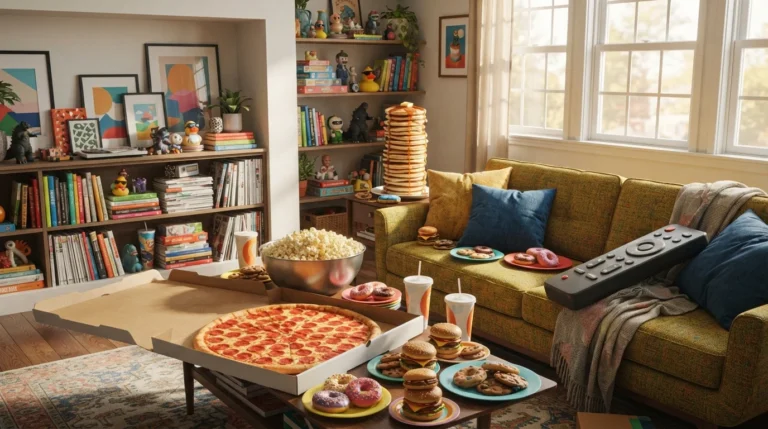
Food has always been a favorite topic in kids’ humor because everyone understands it. A sandwich, cookie, or pizza slice can instantly become funny when it starts acting like a person.
Here are some silly food-inspired jokes:
Why did the giant donut sit in the front row?
Because it wanted a better “hole” view.
What did the cookie say after getting too big?
“I guess I’m now a whole lot of dough.”
Why did the pancake bring a suitcase to breakfast?
Because it was ready for a big trip around the plate.
What happened when the burger became too large for the bun?
It started looking for a bigger “roll” model.
Why did the pizza go to the gym?
Because it wanted to become a little more slice-able.
Food jokes work because they combine something familiar with something impossible. Everyone knows what a pizza looks like, but nobody expects a pizza to have fitness goals or travel plans.
That little surprise is where the laugh happens.
Animal Fat Jokes Kids Love
Animals make some of the best characters in children’s humor. A fluffy cat, a round hamster, or a huge elephant already creates a funny image before the punchline even arrives.
The secret is giving animals human problems and silly personalities.
Why did the hamster bring a suitcase to the wheel?
Because it was planning a very long run.
Why did the elephant carry a tiny backpack?
Because it wanted to prove small things can still hold big dreams.
What did the bear say after eating too much honey?
“I’m not full. I’m just storing extra sweetness.”
Why did the fluffy dog bring a blanket to the sofa?
Because it wanted to make its nap even more comfortable.
Why did the hippo become the class comedian?
Because it always knew how to make a big splash.
Animal jokes are popular because they let kids laugh at imaginary situations. Nobody gets embarrassed, and the joke becomes a tiny story with a funny ending.
A clever animal joke also helps children practice creativity. They start thinking, “What would happen if my pet could talk?” or “What funny problem would an elephant have?”
That imagination is where great humor begins.
Short Fat Joke One-Liners
Sometimes the best jokes are the ones you can remember in five seconds. One-liners are perfect for lunch tables, family gatherings, or those moments when someone says, “Tell me a joke.”
Here are some quick laughs:
- My sandwich got too big, so I gave it its own zip code.
- My backpack is so full it asked me for a vacation.
- My cookie became famous because everyone wanted a bigger piece.
- My pillow is so fluffy it needs its own sleeping bag.
- My cupcake got promoted because it was already a big deal.
- My cereal bowl is so large, the spoon needs a map.
- My blanket is so cozy, even my chair wants to borrow it.
- My teddy bear gained confidence because it was already a big character.
Short jokes work because they deliver the surprise quickly. Kids do not need a long story to laugh — sometimes a funny image and a clever word are enough.
The best family humor feels like sharing a funny thought with a friend. It creates a moment where everyone laughs together, not because someone is being picked on, but because the idea itself is wonderfully silly.
Fat Jokes for Kids That Use Clever Wordplay
Words are like comedy building blocks. A simple change in meaning can turn an ordinary sentence into a funny surprise. That is why puns, double meanings, and silly wordplay have stayed popular for generations.
Kids often enjoy this style of humor because it feels like solving a tiny puzzle. The joke gives them one idea, then suddenly flips it into something unexpected.
The best wordplay jokes do not need a complicated story. They simply take a familiar word and give it a funny new job.
Pun-Based Jokes
Puns are one of the easiest ways to create clean humor. They use words that sound alike, have multiple meanings, or can be understood in different ways.
Here are some playful examples:
Why did the big book sit on the table?
Because it wanted to make a heavy statement.
Why did the large clock never feel stressed?
Because it always had plenty of time.
Why was the giant pencil so confident?
Because it always made a big point.
Why did the huge balloon get invited everywhere?
Because it knew how to lift everyone’s mood.
What did the oversized shoe say after winning a race?
“I really stepped up today.”
The fun part of puns is the little surprise hidden inside the words. A “big point” is not actually about size — it means something important. A “step up” is not only about walking — it can mean improving.
That small twist is what makes the joke memorable.
Wordplay also helps kids notice that language can be flexible. The same word can have different meanings depending on the situation, which is why puns are often a favorite type of dad humor and family comedy.
Knock-Knock and Q&A Style Jokes
Knock-knock jokes and question-and-answer jokes are classics because they invite participation. Kids do not just hear the joke — they become part of it.
The setup creates curiosity, and the punchline provides the surprise.
Knock, knock.
Who’s there?
Olive.
Olive who?
Olive a good silly joke!
Why did the giant pencil bring a notebook?
Because it wanted to write down its big ideas.
What do you call a really large computer?
A mega-byte.
Why did the cookie bring a ladder?
Because it wanted to reach the top shelf.
What did the big balloon say at the party?
“I’m here to raise the fun level.”
Interactive jokes work well because they create a small performance. The person telling the joke gets to build suspense, and the listener gets the reward of the punchline.
That is why kids often repeat the same jokes many times. They are not only sharing humor — they are practicing timing, storytelling, and connection.
A joke told with the right pause and a little confidence can turn even a simple pun into a memorable laugh.
How to Tell Fat Jokes Without Hurting Feelings
Funny jokes are best when everyone gets to enjoy the laugh. The biggest difference between playful humor and hurtful teasing is the feeling left behind after the punchline.
A good joke creates a shared moment. Everyone laughs because the idea is funny, the situation is silly, or the wordplay is clever. A bad joke leaves someone feeling embarrassed or uncomfortable.
For kids, learning this difference is an important part of understanding humor. The goal is not just to tell a joke — it is to make people smile.
The Difference Between Funny and Mean
Comedy often uses exaggeration, but the target of the joke matters. A silly joke about a giant pancake, a cartoon character, or a fictional animal is usually harmless because nobody is being singled out.
For example:
Why did the giant pancake need a map?
Because it was too big to find its way around the plate.
The joke works because a pancake cannot actually get lost. The funny part comes from imagining something impossible.
Compare that with making fun of a real person’s appearance. That can quickly stop feeling like humor and start feeling like an insult.
Great comedians understand that the funniest ideas often come from situations, characters, and unexpected thoughts. They do not need to make someone else feel small to create a big laugh.
Kids can use the same approach. The funniest jokes are usually the ones where everyone can join in.
Making Everyone Laugh Together
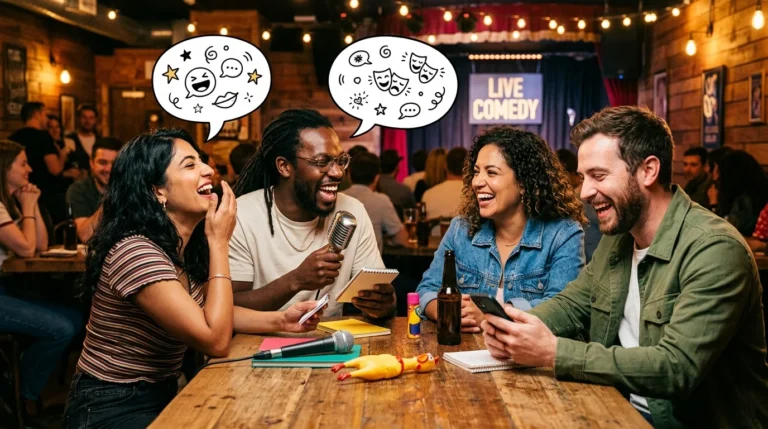
The best family humor creates connection. A joke shared between friends, siblings, or classmates should feel like an invitation to laugh, not a reason for someone to feel left out.
If you enjoy sharing jokes with people your own age, you can also check out these funny fat jokes to share with friends for more playful humor ideas that work well in group conversations.
A few simple rules can help:
- Joke about imaginary characters and silly situations.
- Use wordplay and clever punchlines.
- Notice if someone is not enjoying the joke.
- Choose humor that works for the whole group.
A funny story about a superhero who ate too many pancakes or a hamster who bought a giant backpack can be hilarious because it lets everyone use their imagination.
Humor is a skill. Like drawing or playing an instrument, it gets better with practice. Kids who learn to create playful jokes often become better storytellers because they understand timing, creativity, and how people react.
The biggest laughs usually come from the simplest idea: make the joke bigger, stranger, and more surprising — not more hurtful.
Conclusion
The funniest fat jokes for kids are not really about size — they are about imagination. A giant cookie, a chunky cartoon character, or a super-sized sandwich can create laughs because the idea itself is wonderfully ridiculous.
Great kid-friendly humor uses creativity, clever words, and silly situations. Puns, one-liners, animal jokes, and playful exaggerations all work because they give everyone a reason to smile.
The best jokes are the ones that bring people together. A good laugh should feel like sharing a funny story with a friend, not making someone feel uncomfortable.
So the next time you tell a joke, think bigger than the punchline. Create a funny picture, add a surprising twist, and give everyone a reason to laugh along.
After all, the biggest jokes are often the ones filled with the most imagination.
FAQs
Are fat jokes okay for kids?
Fat jokes can be okay for kids when they focus on silly situations, imaginary characters, animals, food, or wordplay. Jokes are more enjoyable when they create laughter without making a real person feel embarrassed or hurt.
What makes a good joke for children?
A good children’s joke is usually simple, surprising, and easy to understand. Kids often enjoy jokes with silly characters, funny exaggeration, puns, and unexpected endings.
What are some safe joke topics for kids?
Popular kid-friendly joke topics include animals, food, school, superheroes, toys, family situations, and everyday objects. These topics allow children to be creative without making someone the target.
Why do kids like silly jokes?
Kids enjoy silly jokes because they use imagination and surprise. A joke becomes funny when it creates an unexpected connection, like a talking animal or an object acting like a person.
How can kids tell jokes without being mean?
Kids can keep jokes friendly by focusing on funny ideas instead of personal traits. Using fictional characters, wordplay, and exaggerated situations helps everyone enjoy the humor.
What type of jokes do kids remember most?
Kids often remember short jokes, knock-knock jokes, puns, and jokes with a clear punchline. Easy-to-repeat humor is more likely to be shared with friends and family.
References
- Merriam-Webster — Dictionary and word usage resources
- Cambridge Dictionary — Language and expression references
- Encyclopaedia Britannica — Humor and culture references
- Oxford Reference — Language and etymology resources